

Aging is a natural process that affects every part of our body, including the spine. As we grow older, our spine undergoes significant changes that can lead to discomfort, reduced mobility, and chronic pain. For many, these issues become a daily challenge, impacting their quality of life.
Understanding the signs and symptoms of an aging spine is crucial, as early detection and management can greatly improve outcomes. In this post, we’ll explore the common signs and symptoms of spine aging, examine the conditions associated with it, and discuss the management options available.
The Aging Spine
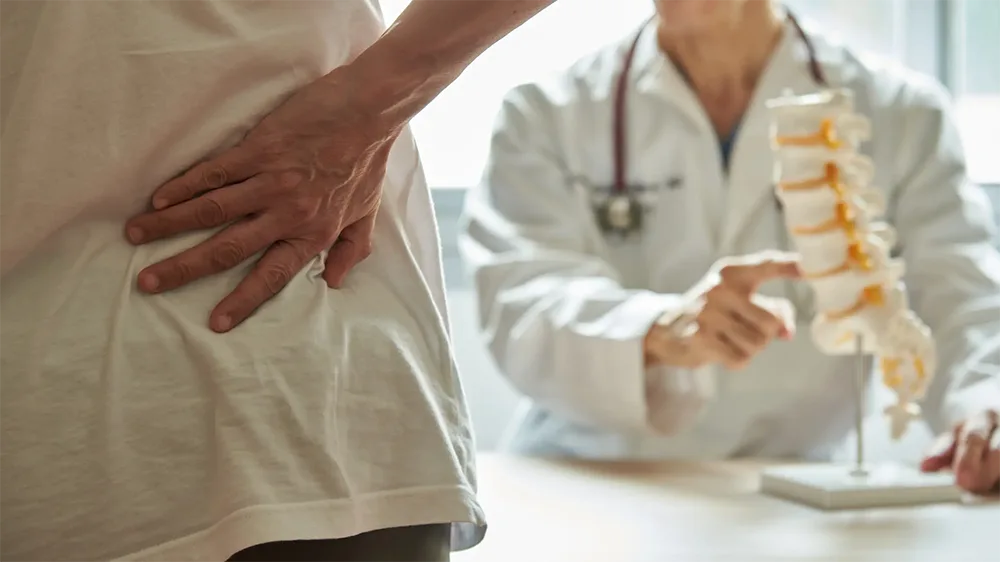
Like other parts of our body, our spine shows signs of wear and tear as we age. The aging spine is a term used to describe the natural degeneration that occurs in the spinal structures over time. This includes the vertebrae, discs, joints, and surrounding muscles and ligaments. These changes can lead to several conditions of the spine, particularly in elderly individuals.
Common Symptoms of Spine Aging
Spine aging manifests through various symptoms, some of which may be subtle at first but gradually become more pronounced. Common symptoms include:
1. Chronic Back Pain
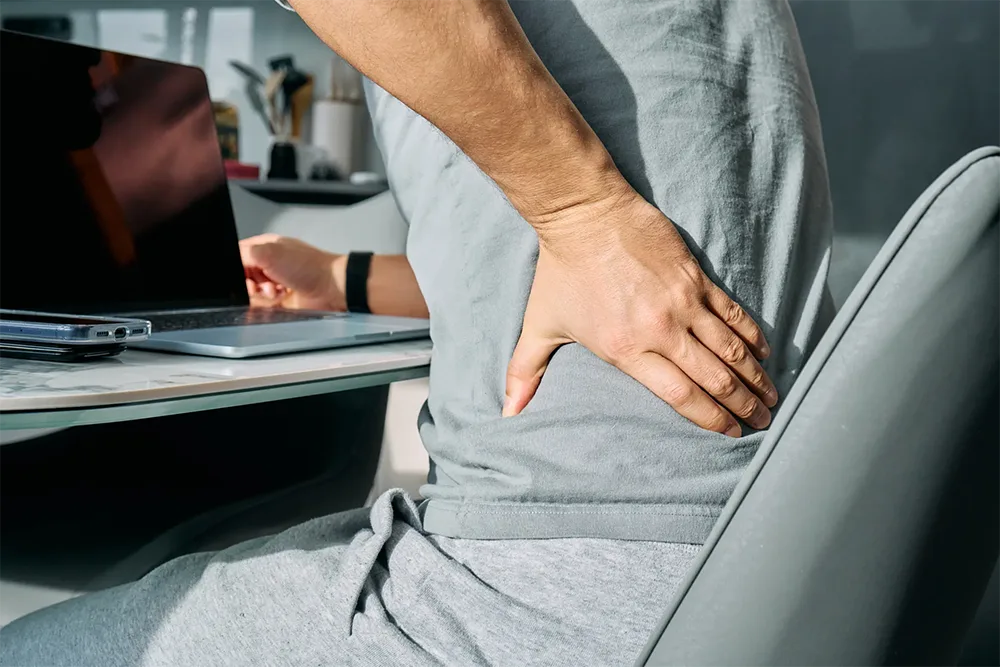
Aging and back pain often go hand in hand. This pain may result from degenerative changes in the discs or joints, leading to conditions such as osteoarthritis or degenerative disc disease.
2. Stiffness and Reduced Mobility
As the spine ages, it can lose flexibility, leading to stiffness. This stiffness is often accompanied by a reduced range of motion, making everyday activities more difficult.
3. Numbness or Tingling
Aging can cause the spinal discs to shrink, leading to nerve compression. This compression often results in numbness, tingling, or weakness in the arms or legs, a condition known as radiculopathy.
4. Spinal Deformities
Conditions such as spinal stenosis or spondylolisthesis, where the vertebrae slip out of place, are common in older adults. These deformities can cause significant discomfort and may require medical intervention.
5. Decrease in Height
As the spinal discs lose moisture and flatten, a decrease in height may occur. This is a common sign of disc degeneration in the elderly.
Aging Spine Problems
The aging spine can give rise to several specific conditions, each requiring tailored management strategies. Some of the most common spine problems in elderly people include:
Osteoarthritis
This condition involves the degeneration of cartilage in the spinal joints, leading to pain and stiffness. Osteoarthritis is particularly common in the lumbar spine, causing lower back pain.
Degenerative Disc Disease
As people age, their spinal discs lose their hydration and elasticity, making them more prone to injury. This can lead to disc herniation, which may compress nerves and cause pain or numbness.
Spinal Stenosis
This condition occurs when the spinal canal narrows, putting pressure on the spinal cord and nerves. Spinal stenosis can cause pain, numbness, and difficulty walking.
Spondylolisthesis
In this condition, one vertebra slips over another, often due to degenerative changes. Spondylolisthesis can result in nerve compression, leading to pain and mobility issues.
Osteoporosis
This condition weakens the bones, making them more susceptible to fractures. Compression fractures in the spine are a common consequence of osteoporosis in the elderly.
Management Options for the Aging Spine
While the effects of spine aging cannot be completely reversed, several management options are available that can alleviate symptoms and improve quality of life. Comprehensive treatment of the aging spine often involves a combination of conservative and surgical approaches.
Conservative Management
For many individuals, conservative management is the first line of treatment. This may include:
- Physical Therapy: Tailored exercises and stretches can help improve mobility, strengthen the muscles supporting the spine, and reduce pain.
- Medications: To manage pain and inflammation, over-the-counter pain relievers, anti-inflammatory drugs, or prescription medications may be recommended.
- Lifestyle Modifications: Maintaining a healthy weight, staying active, and practicing good posture can significantly reduce the strain on an aging spine.
- Injections: Corticosteroid injections may be used to reduce inflammation and pain in specific areas of the spine.
- SpineVive™ / BodyVive™: These innovative treatments involve regenerative therapies that promote the body’s natural healing processes. They are particularly effective for treating degenerative conditions of the spine, providing pain relief and improved function without the risks associated with traditional surgery.
Surgical Interventions
In cases where conservative treatments are ineffective, surgical intervention may be necessary. Some of the surgical options available for spine problems in elderly patients include:
- Spinal Fusion: This procedure involves joining two or more vertebrae to eliminate painful movement between them. Nowadays, fusion surgery can be performed using minimally invasive techniques. By using smaller incisions and advanced imaging technology, minimally invasive fusion surgery reduces blood loss, scarring, and recovery time.
- Laminectomy: In this procedure, a portion of the vertebrae is removed to relieve pressure on the spinal cord or nerves. This procedure is commonly performed in cases of spinal stenosis.
- Disc Replacement: An alternative to spinal fusion, this procedure involves replacing a damaged disc with an artificial one, allowing for better mobility and reduced pain.
- MicroTube™ Spine Surgery: A groundbreaking procedure that uses a small, tube-like device to access the spine. This approach minimizes tissue damage and reduces recovery time compared to traditional open surgeries.
The Importance of Early Intervention
Early intervention is key to managing the effects of an aging spine. Recognizing the early signs of spine aging and seeking timely treatment can prevent the progression of symptoms and reduce the need for invasive procedures. For individuals experiencing symptoms such as chronic back pain, stiffness, or numbness, consulting a specialist is crucial.
Learn More from Dr. Abdulhamid
Watch Dr. Abdulhamid’s insightful discussion on Aging in Arizona Radio Talk to gain a deeper understanding of the signs, symptoms, and management options of the aging spine.
Take Control of Your Spine Health
The aging spine presents various challenges, but with the right management strategies, it’s possible to maintain a high quality of life. Whether through conservative treatments or surgical interventions, addressing spine problems in the elderly requires a comprehensive approach tailored to each individual’s needs.
If you’re experiencing symptoms of spine aging, don’t wait to seek help. At Royal Spine Surgery, we specialize in the comprehensive treatment of the aging spine.
Contact us today to schedule a consultation and explore the best options for your spine health.