Persistent back or neck pain, radiating symptoms, numbness, weakness, or difficulty walking can significantly interfere with daily life when a spinal condition compresses nearby nerves. MicroTube™ Spine Surgery in Scottsdale, AZ, offers a minimally invasive approach designed to access and treat the affected area while limiting disruption to surrounding muscles and tissues compared with traditional open surgical approaches.
At Royal Spine Surgery, Mohamed Abdulhamid, MD, FAANS, FCNS, evaluates each patient individually to determine whether surgery is necessary and which approach is most appropriate. As a board-certified neurosurgeon specializing in minimally invasive spine surgery, Dr. Abdulhamid combines advanced surgical techniques with individualized care for patients seeking treatment or a spine surgery second opinion.

MicroTube™ Spine Surgery is Royal Spine Surgery's minimally invasive approach to accessing the spine through a small surgical corridor. Rather than creating the larger exposure associated with traditional open surgery, a tubular retractor allows Dr. Abdulhamid to reach the targeted spinal structures while reducing disruption to surrounding tissue.
The approach may be used for procedures such as microdiscectomy or laminectomy when clinically appropriate. The specific procedure depends on the underlying condition, location of nerve compression, imaging findings, symptoms, and individual anatomy.
MicroTube™ Spine Surgery is designed to address the source of spinal nerve compression through a focused, minimally invasive surgical approach. When appropriate for the patient's condition, potential benefits may include:
The tubular retractor creates a targeted surgical corridor that limits disruption to surrounding muscles and soft tissues compared with a traditional open approach.
The procedure allows Dr. Abdulhamid to reach the affected spinal structures through a smaller operative pathway.
MicroTube™ techniques can be used to remove disc material, bone, or other tissue contributing to pressure on spinal nerves.
Reduced tissue disruption may support a more streamlined minimally invasive spine surgery recovery for appropriately selected patients.
The approach may be considered for conditions including disc herniation, spinal stenosis, foraminal stenosis, and nerve compression.
MicroTube™ may be incorporated into procedures such as microdiscectomy or laminectomy based on the patient's diagnosis and anatomy.
The surgical approach is selected according to symptoms, imaging findings, neurological examination, and the location of the underlying problem.

During MicroTube™ Spine Surgery, a tubular retractor creates a focused pathway to the area of the spine requiring treatment. Specialized instruments are then used through this corridor to address the source of compression, such as disc material or portions of bone and tissue contributing to narrowing around a nerve.
By concentrating the surgical approach on the affected area, MicroTube™ techniques can limit the amount of surrounding tissue that must be disrupted to reach the spine. The exact surgical steps vary depending on whether the patient requires a microdiscectomy, laminectomy, or another decompression procedure, and Dr. Abdulhamid determines the appropriate approach after reviewing the patient's symptoms, examination, and imaging.
MicroTube™ Spine Surgery can provide targeted access to different structures of the spine depending on the patient's diagnosis and surgical needs.
Minimally invasive techniques may be considered for certain conditions affecting the neck when appropriate for the patient's diagnosis.
Selected conditions affecting the mid-back may be approached using minimally invasive surgical techniques.
MicroTube™ techniques may be used to address conditions in the lower back, including those causing nerve compression and radiating leg symptoms.
Herniated or displaced disc material compressing a nerve may be addressed through procedures such as microdiscectomy.
Decompression may create additional space when narrowing within the spinal canal is affecting neural structures.
Surgery may address narrowing where spinal nerves exit the spine.
A portion of the lamina may be removed when necessary to relieve pressure on nearby nerves.
The procedure can target compression affecting nerve roots responsible for pain, numbness, tingling, or weakness.
Certain conditions involving compression around the spinal cord may require surgical decompression, depending on the diagnosis and location.
MicroTube™ Spine Surgery may be considered when structural problems within the spine are causing persistent nerve compression and symptoms that warrant surgical treatment.
Herniated disc material pressing on a nerve may be removed to relieve compression.
Certain symptomatic disc bulges may require surgical treatment when they contribute to significant nerve compression.
Decompression can create more room when narrowing of the spinal canal affects nearby neural structures.
Surgery may relieve pressure caused by narrowing in the openings where spinal nerves exit.
Targeted decompression may address narrowing along the pathway of a spinal nerve.
Surgery may be considered when compression of a lumbar nerve contributes to persistent radiating leg pain.
Treating the source of nerve compression may help address pain, numbness, tingling, or weakness traveling into the leg.
Decompression may be considered for patients whose spinal stenosis contributes to leg pain, heaviness, or weakness with standing or walking.
MicroTube™ techniques can provide access to structures responsible for compressing a spinal nerve.
Treating the underlying compression may help relieve radiating symptoms affecting the leg.
These neurological symptoms may improve when they are caused by a surgically treatable compressed nerve.
Surgery may be recommended when nerve compression contributes to clinically significant weakness.
When foot drop is associated with spinal nerve compression, surgical decompression may be considered based on the cause, severity, and individual clinical findings.
You may be a candidate for MicroTube™ Spine Surgery if a spinal condition is causing persistent nerve compression, pain, numbness, tingling, weakness, or difficulty with daily activities and surgery has been recommended. Conditions such as disc herniation, spinal stenosis, foraminal stenosis, sciatica, lumbar radiculopathy, and neurogenic claudication may be treated with a minimally invasive approach in appropriately selected patients.
Not every spinal condition requires surgery, and not every patient is suited to the same surgical technique. Mohamed Abdulhamid, MD, FAANS, FCNS, reviews your symptoms, neurological examination, imaging, previous treatments, overall health, and individual anatomy to determine whether MicroTube™ Spine Surgery is appropriate. Patients who have already received a surgical recommendation can also seek a spine surgery second opinion at Royal Spine Surgery to better understand their options.

MicroTube™ Spine Surgery is performed under anesthesia, with the specific anesthetic plan determined according to the procedure and individual patient needs. Dr. Abdulhamid creates a small surgical access point and uses a tubular retractor to establish a focused pathway to the affected area of the spine. Specialized instruments are then used to perform the necessary decompression while limiting disruption to surrounding tissues.
The exact procedure depends on what is causing the patient's symptoms. For example, a microdiscectomy may involve removing disc material compressing a nerve, while a laminectomy or other decompression procedure may remove a portion of bone or tissue contributing to spinal narrowing. Recovery instructions and discharge timing are individualized according to the procedure performed and the patient's clinical condition.
Preparing carefully for spine surgery can help support a safer procedure and recovery. Royal Spine Surgery will provide individualized instructions based on your health history, medications, and planned operation.
Complete any imaging, laboratory testing, medical evaluations, or other preoperative assessments ordered before surgery.
Provide a complete list of prescription medications, over-the-counter medications, vitamins, and supplements so the surgical team can advise you about any necessary changes.
Inform the team about medical conditions, previous surgeries, allergies, and any prior reactions to anesthesia.
Only stop or modify medications when specifically instructed by your medical or surgical team.
Carefully follow the instructions provided regarding when to stop eating and drinking before anesthesia.
Arrange transportation home and any assistance you may need during the early stages of minimally invasive spine surgery recovery.
Dr. Abdulhamid and the surgical team will provide additional preparation instructions based on the specific MicroTube™ procedure being performed.
Recovery after MicroTube™ Spine Surgery varies based on the procedure performed, the condition treated, and your overall health. Dr. Abdulhamid and the Royal Spine Surgery team will provide individualized instructions for activity, incision care, medications, and your gradual return to everyday activities.

Keep the surgical area clean and follow all instructions for dressings, bathing, and incision care.

Use prescribed medications according to your postoperative instructions and contact the practice with questions or concerns.

Walking and other appropriate movement may be encouraged during recovery, while strenuous activity should wait until you are cleared.

Follow your specific restrictions for lifting, bending, twisting, exercise, and other activities while your spine heals.

Postoperative appointments allow Dr. Abdulhamid to monitor healing, neurological symptoms, and your overall recovery.
Return to driving and work only when medically cleared based on your procedure, recovery, and functional demands.
Contact the surgical team promptly if you develop symptoms or postoperative changes that you have been instructed to report.
MicroTube™ Spine Surgery is intended to address a specific structural source of spinal nerve compression, so results depend on the condition treated, severity and duration of symptoms, procedure performed, and individual healing. Some patients may notice improvement in certain nerve-related symptoms relatively early, while numbness, weakness, and other neurological symptoms can take longer to change as the affected nerve recovers.
Long-term outcomes also vary because spine surgery cannot prevent every future age-related or degenerative change in the spine. Dr. Abdulhamid provides ongoing guidance based on the procedure performed and each patient's recovery, with the goal of supporting lasting improvement in function and quality of life.
MicroTube™ Spine Surgery is a surgical approach, so additional spine procedures are not automatically combined with it. When another intervention is necessary, Dr. Abdulhamid determines the appropriate treatment based on spinal stability, the source of compression, and the patient's individual diagnosis.
May be recommended when decompression alone is not sufficient, and the affected spinal segment also requires stabilization.
May be an option for appropriately selected cervical spine conditions when disc replacement is preferable to fusion.
May be incorporated into a broader individualized care plan focused on physical recovery and overall well-being when appropriate.
Both MicroTube™ Spine Surgery and traditional open spine surgery can be used to address structural problems affecting the spine, but the surgical access differs significantly. MicroTube™ uses a tubular retractor to create a focused pathway to the affected area, while traditional open surgery generally requires broader exposure of the spine.
| Feature | MicroTube™ Spine Surgery | Traditional Open Spine Surgery |
| Surgical Approach | Minimally invasive tubular retractor approach | Larger open surgical exposure |
| Tissue Disruption | Designed to limit disruption to surrounding muscles and soft tissue | Typically requires greater tissue exposure |
| Incision | Smaller surgical access point | Generally larger incision |
| Procedures | May include microdiscectomy, laminectomy, and targeted decompression | Can accommodate a wide range of decompression and reconstruction procedures |
| Recovery | May allow a more streamlined recovery in appropriately selected patients | Recovery varies and may be more extensive depending on the procedure |
| Best Suited For | Select conditions that can be treated through a focused surgical corridor | Conditions requiring broader surgical access or reconstruction |
Choosing spine surgery requires confidence in both the procedure and the surgeon performing it. Royal Spine Surgery provides individualized care centered on advanced minimally invasive techniques, clear communication, and treatment planning based on each patient's specific diagnosis and needs.
Mohamed Abdulhamid, MD, FAANS, FCNS is board-certified by the American Board of Neurological Surgery and specializes in minimally invasive spine surgery.
Dr. Abdulhamid completed a spine surgery fellowship at the University of Miami and a neurosurgery residency at SUNY Upstate Medical University.
MicroTube™ techniques are used to create targeted surgical access while limiting unnecessary disruption to surrounding tissues when clinically appropriate.
Recommendations are based on your symptoms, imaging, neurological findings, anatomy, previous treatment, and overall health.
Patients who have already been advised to undergo spine surgery can seek another expert evaluation to better understand their diagnosis and available surgical options.
Royal Spine Surgery emphasizes the mind-body connection alongside physical recovery, with a focus on helping patients regain function and quality of life.
Royal Spine Surgery provides MicroTube™ Spine Surgery in Scottsdale, AZ, for patients throughout the surrounding region, including:
Living with persistent pain, numbness, weakness, or limited mobility from spinal nerve compression can affect nearly every part of daily life. At Royal Spine Surgery, Mohamed Abdulhamid, MD, FAANS, FCNS, provides advanced minimally invasive spine care with an emphasis on precise surgical planning, clear communication, and helping each patient understand the treatment options available to them.
If you are considering spine surgery or want a second opinion, schedule a consultation at Royal Spine Surgery, located at 9377 E Bell Rd #343, Scottsdale, AZ 85260, or call 480-424-5255 to discuss whether MicroTube™ Spine Surgery may be appropriate for your condition.
MicroTubeTM spine surgery is a minimally invasive surgical technique that uses tubular retractor system to access and treat spine conditions. At Royal Spine Surgery, we use this cutting-edge technology to minimize tissue damage and blood loss, reduce postoperative pain, and speed up recovery time for our patients. During the procedure, a small incision is made through which a series of tubes are inserted, providing a path to access and operate on the spine. This technique allows for greater precision and accuracy, making it an ideal option for treating a range of spine conditions such as herniated discs, spinal stenosis, and sciatica. This procedure might not be appropriate for all patients, and the decision to undergo this procedure should be made after careful evaluation by a qualified spine surgeon. As with any surgical procedure, there are risks and potential complications associated with MicroTubeTM Spine Surgery , and it should only be considered after careful evaluation by a qualified spine surgeon.
MicroTubeTM Spine Surgery provides a minimalistic approach and access to the site of the narrowing around the spinal cord so that the cause of stenosis can be directly addressed and treated.
More about Spinal Stenosis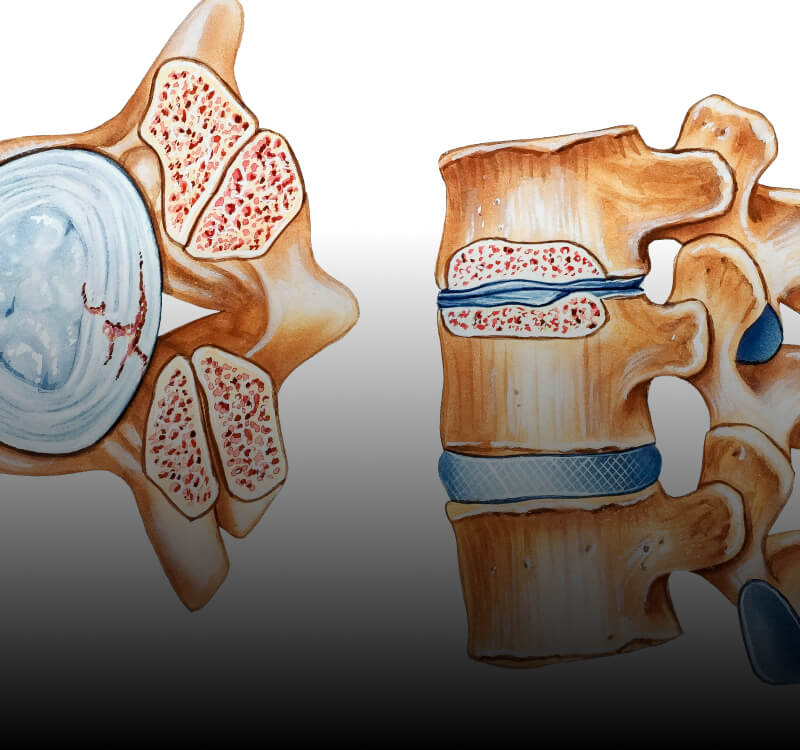
MicroTubeTM Spine Surgery provides a minimalistic approach and access to the site of the nerve impingement and directly addresses the cause of it.
More about Sciatica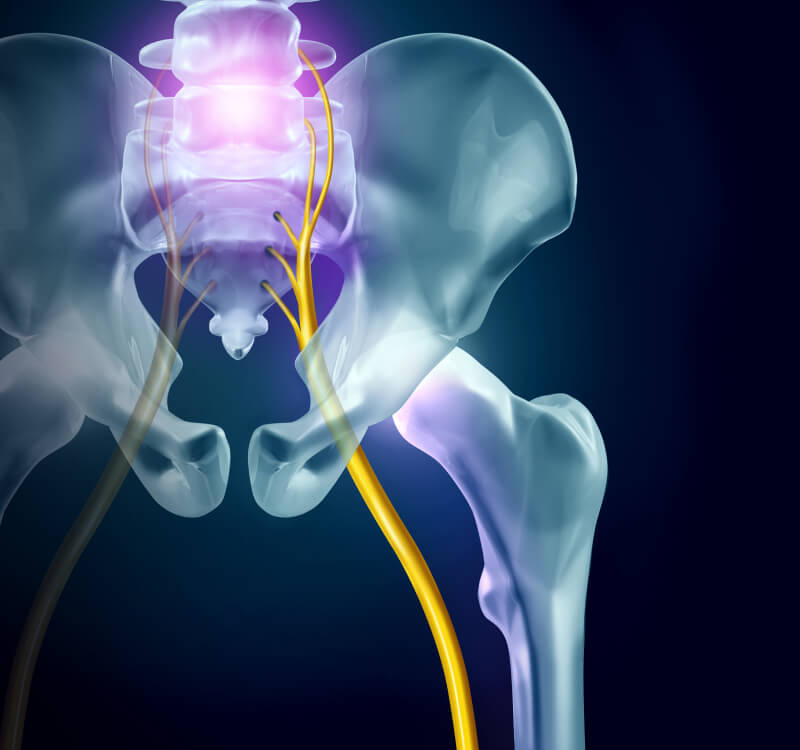
MicroTubeTM Spine Surgery provides a minimalistic approach and access to the site of the central canal stenosis so the space around the nerves can be directly decompressed and widened through a partial laminectomy.
More about Neurogenic Claudication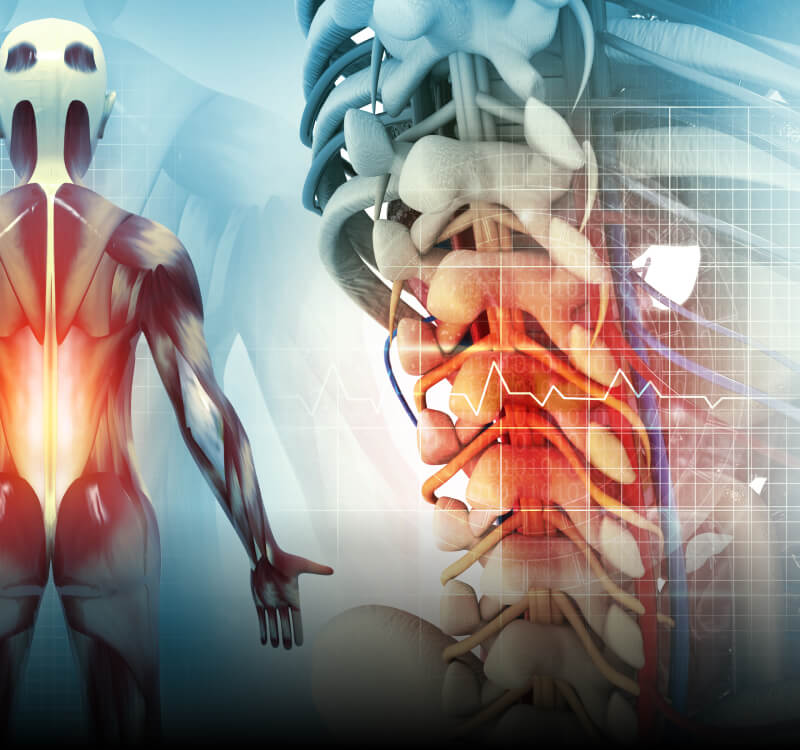
MicroTubeTM Spine Surgery provides a minimalistic approach and access to the site of the nerve impingement and directly address the cause of it.
More about Lumbar Radiculopathy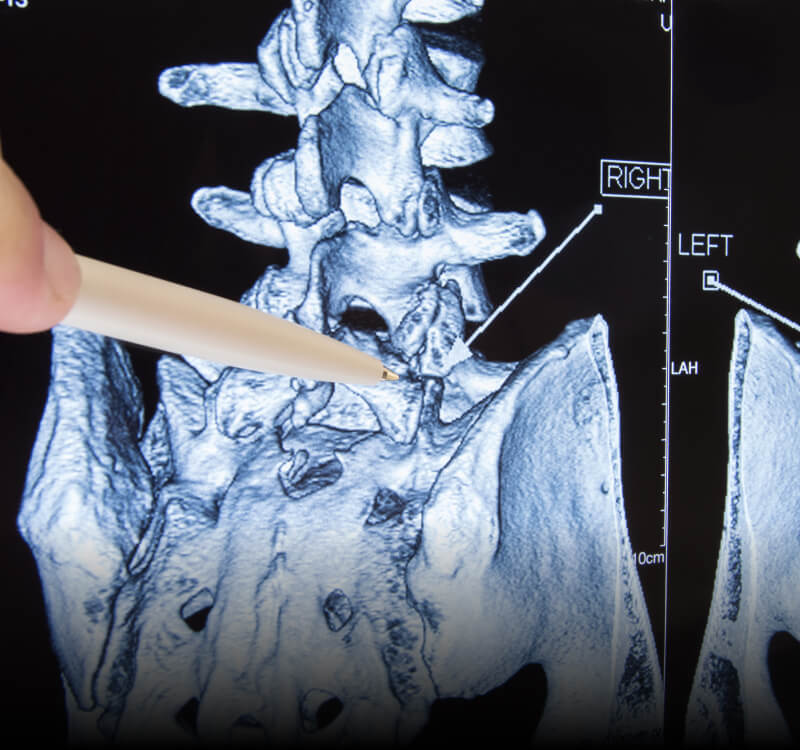
MicroTubeTM Spine Surgery provides a minimalistic approach and access to the herniated disc and allows for direct removal or excision of the disc fragment through microdiscectomy.
More about DisC Herniation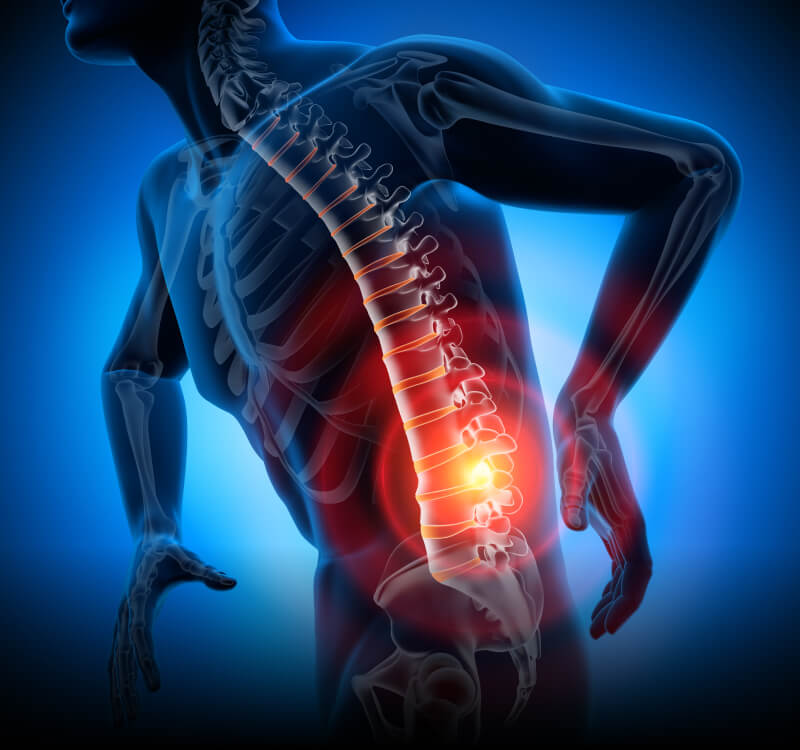
You may be a candidate if you have a condition such as disc herniation, spinal stenosis, foraminal stenosis, sciatica, or radiculopathy that is causing persistent symptoms from nerve compression. Mohamed Abdulhamid, MD, FAANS, FCNS evaluates your symptoms, neurological findings, imaging, previous treatment, and overall health to determine whether MicroTube™ Spine Surgery is appropriate for you.
MicroTube™ Spine Surgery uses a tubular retractor to create a focused surgical pathway to the affected area of the spine, limiting disruption to surrounding muscles and soft tissues. Traditional open surgery generally requires broader surgical exposure. The appropriate technique depends on the condition being treated and the extent of surgery required.
Recovery varies depending on the procedure performed, condition treated, overall health, and individual healing. A minimally invasive approach is designed to reduce tissue disruption compared with traditional open surgery, but patients still need to follow activity restrictions and postoperative instructions while healing.
Not necessarily. Procedures such as microdiscectomy and laminectomy may be performed to decompress a nerve without fusion when the spine does not require additional stabilization. If instability or another structural issue is present, Dr. Abdulhamid may recommend minimally invasive fusion surgery based on your individual diagnosis.
The timeline for returning to work and driving depends on the procedure, your recovery, the physical demands of your job, medications you are taking, and your ability to move safely. Dr. Abdulhamid will provide individualized guidance and clear you for these activities when appropriate.
Yes. MicroTube™ Spine Surgery is a surgical procedure performed with anesthesia. The specific anesthetic plan is determined by the surgical and anesthesia teams based on the procedure and your individual medical needs.
The cost of MicroTube™ Spine Surgery varies depending on the procedure required, complexity of the condition, facility and anesthesia services, and other aspects of your surgical plan. Royal Spine Surgery offers CareCredit as a financing option for qualified patients. Specific costs and financial considerations can be discussed after your surgical evaluation.
All spine surgery carries potential risks, but minimally invasive techniques are designed to access the affected area while limiting unnecessary disruption to surrounding tissues. Dr. Abdulhamid evaluates each patient’s health, diagnosis, imaging, and surgical needs before recommending MicroTube™ Spine Surgery and discusses the potential benefits and risks as part of informed surgical planning.
Some patients may notice improvement in certain symptoms caused by nerve compression relatively soon after decompression, particularly radiating pain. Numbness, tingling, weakness, and functional limitations may improve more gradually as the nerve and surrounding tissues recover. Long-term outcomes vary based on the underlying condition, duration of nerve compression, procedure performed, and individual healing.
Temporary postoperative effects can include pain or soreness around the surgical area, swelling, stiffness, fatigue, and changes in symptoms as tissues heal. As with any spine surgery, there are also potential complications, which vary by procedure and individual health factors. Dr. Abdulhamid reviews procedure-specific risks and expected recovery with each patient before surgery.
Royal Spine Surgery holds a 4.8-star rating from 207 Google reviews