Spinal Stenosis

BOOK CONSULT
Small Curve

Spinal stenosis is the narrowing of the spaces within the spine.

Some individuals with spinal stenosis might experience no symptoms from their spinal stenosis. On the other hand, others might experience the condition’s classic symptoms, including tingling, numbness, muscle weakness, and pain. Unfortunately, the symptoms might worsen over time. One of the most common causes of spinal stenosis is wear-and-tear in the spine secondary to osteoarthritis.

Severe cases of the condition may require spinal stenosis surgery, which involves creating additional space for the nerves or spinal cord. For mild cases, spinal stenosis treatments using medication and physical therapy will suffice.

Spinal Stenosis

What Is Spinal Stenosis?

Spinal stenosis is a medical condition characterized by a narrowing of the spaces within the spine, which can put pressure on the spinal cord and nerves. This can cause a variety of symptoms, such as back pain, leg pain, numbness, tingling, and weakness. Spinal stenosis can occur in any part of the spine, but it most commonly affects the neck (cervical) and lower back (lumbar) regions.

The most common cause of spinal stenosis is the natural aging process, which can lead to degenerative changes in the spine, including the growth of bone spurs and thickened ligaments that narrow the spinal canal. Other causes of spinal stenosis can include spinal injuries, herniated discs, and tumors.

Treatment options for spinal stenosis vary depending on the severity of the condition and the location of the narrowing. Conservative treatment measures may include rest, physical therapy, pain medication, and corticosteroid injections. In more severe cases, surgery may be necessary to relieve the pressure on the spinal cord and nerves.

Prevention measures for spinal stenosis include maintaining good posture, regular exercise, and avoiding activities that place excessive stress on the spine. If you experience symptoms of spinal stenosis, it is important to seek medical attention to determine the cause and appropriate treatment options. Early diagnosis and treatment can help prevent further nerve damage and improve outcomes.

Spinal Stenosis Surgery

DIFFERENT TYPES OF SPINAL STENOSIS

The different types of spinal stenosis are classified based on where on the spine the condition develops. Having more than one type of spinal stenosis is possible. The two primary types of spinal stenosis are the following:

Lumbar Stenosis

The narrowing occurs in the lower part of the spine located in the lower back in lumbar stenosis. This is the most prevalent type of spinal stenosis and might require spinal stenosis surgery.
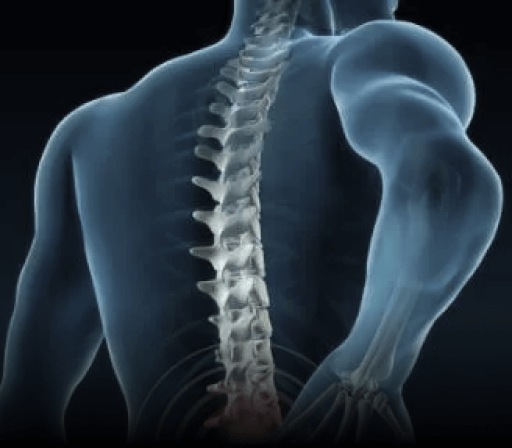
Lumbar Stenosis

Cervical Stenosis

In cervical stenosis, the narrowing occurs in the part of the spine located in the neck. Severe cases might require spinal stenosis treatment surgery.
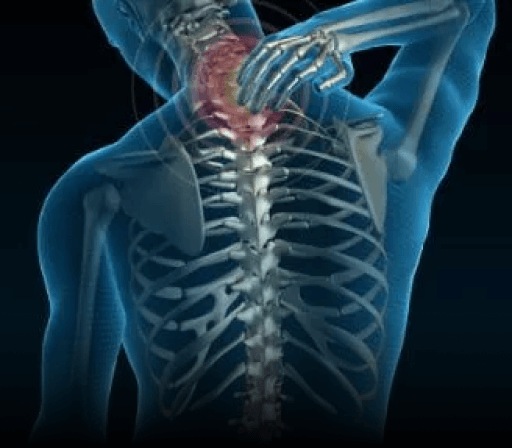
Cervical Stenosis

Causes Of Spinal Stenosis

The spine (or the backbone) runs from the neck to the lower back. The bones of the spine form the spinal canal that protects the nerves and the spinal cord. While some people are born with a small spinal canal, most cases of spinal stenosis occur when something causes the open space within the spine to narrow down. Common causes of spinal stenosis include:
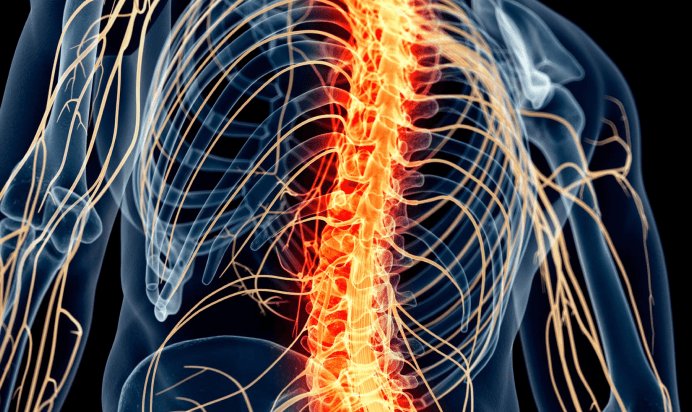
Cause of Spinal Stenosis
Bone Overgrowth

Bone Overgrowth

Wear and tear damage secondary to osteoarthritis might cause bone spurs to form and grow into the spinal canal. A bone disease known as Paget’s disease also causes bone overgrowths in the spine.

Thickened Ligaments

Thickened Ligaments

The tough cords that help hold the bones of the spine together are called ligaments. The ligaments can thicken and become stiff over time. The thickened ligaments can bulge in the spinal canal.

Herniated Disks

Herniated Discs

The soft cushions in the vertebrae function as shock absorbers that can dry out with age. Any cracks in the disc exterior might cause some soft material to escape and press on the spinal nerves or cords.

Spinal Injuries

Spinal Injuries

Vehicle accidents and other trauma can cause disc herniation, fractures, and dislocations of one (or more) vertebrae. Displaced bone resulting from spinal fracture may also cause damage to the contents of the spinal canal.

Tumor

Tumors

Abnormal growths can form within the spinal cord’s membranes, inside the spinal cord itself, or in the spaces between the vertebrae and the spinal cord.

SPEAK TO A SPECIALIST?

Our goal at Royal Spine Surgery will always be to provide you with honest answers and clear options of surgical and non-surgical treatments to provide ease of mind so you can arrive at the appropriate decision.

Contact Us

Common Symptoms Of Spinal Stenosis

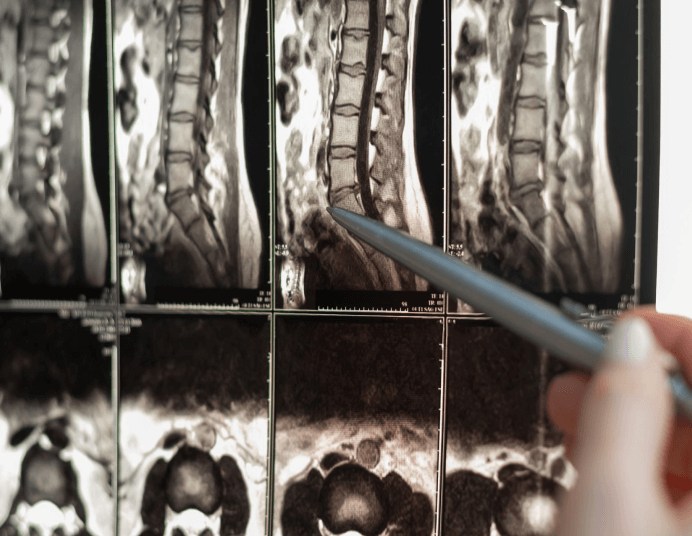
While there can be evidence of spinal stenosis on CT scans or MRIs, many people don’t experience symptoms. Typically, symptoms of spinal stenosis develop gradually and worsen over time. Symptoms can also vary from one person to another and will often depend on the nerves affected and the location of the stenosis.
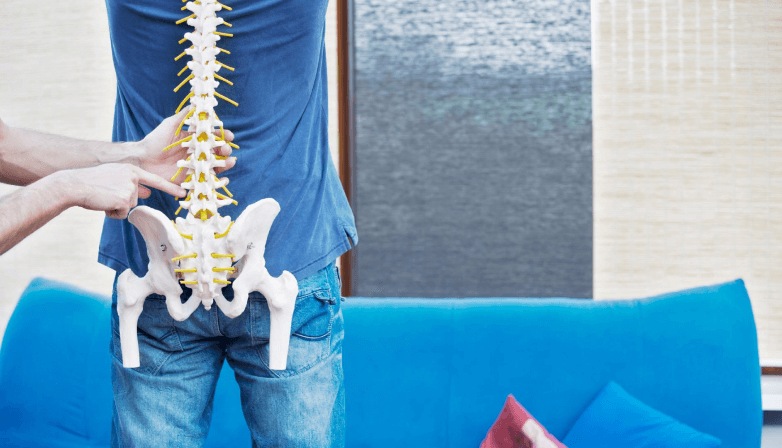
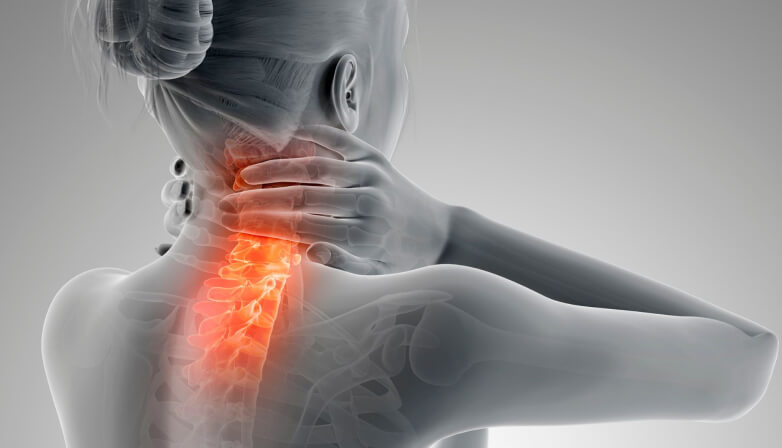
Lumbar Spine

Lumbar Spine (Lower Back)

  • Tingling or numbness in the leg or foot
  • Leg or foot weakness
  • Cramping or pain in one (or both) legs when walking or standing for long periods (pain often eases when sitting or bending forward)
  • Back pain
Cervical Pain

Cervical Pain (Neck)

  • Tingling, weakness, and numbness in the leg, foot, arm, or hand
  • Problems with balance and walking
  • Pain in the neck
  • In severe cases, bladder and bowel dysfunction (incontinence and urinary urgency)

Spinal Stenosis Risk Factors

Most people who suffer from spinal stenosis are over 50 years old. While degenerative changes can cause spinal stenosis in young people, other causes need to be considered. Other possible causes include genetic conditions that affect the bone, trauma and congenital spinal deformities like scoliosis.
Spinal Stenosis Risk Factors

Spinal Stenosis Treatment Options

Treatment options for spinal stenosis will depend on the severity of the symptoms and the location of the stenosis.

Spinal Stenosis Type of Surgery

Spinal stenosis surgery can help reopen the spinal canal when it becomes narrow due to bone spurs, arthritis, and other problems. However, other treatment options might be considered before resorting to surgery for spinal stenosis.

If spinal stenosis symptoms are mild, the condition may be monitored, and the doctor may prescribe medications and physical therapy.

MicroTubeTM Spine Surgery Treatment for Spinal Stenosis

MicroTubeTM Spine Surgery uses a minimalistic approach to treat and address the cause of the condition. Spinal stenosis is the narrowing of the spaces that surround the nerves or the spinal cord. The narrowing can affect the exits of the nerve roots, the lateral recess, and the central canal. MicroTubeTM Spine Surgery allows access to the site of the narrowing, so the cause of the stenosis may be treated.

Symptoms of the condition will depend on where the stenosis is. Spinal stenosis can result in sciatica or radiculopathy, back pain, and neurogenic claudication. Stenosis can be acquired or congenital. Acquired stenosis can be caused by the thickening of the facet joints and the ligament and disc herniation. Learn more about the benefits of MicroTubeTM Spine Surgery by clicking here


General FAQs About Spinal Stenosis Surgery

General FAQs

Spinal stenosis surgery is a medical procedure aimed at relieving pressure on the spinal nerves or spinal cord caused by the narrowing of the spinal canal, a condition known as spinal stenosis. This narrowing can lead to symptoms such as pain, numbness, or weakness in the back, glutes, or legs.

Surgery for spinal stenosis is typically considered when conservative treatments—such as pain medications, physical therapy, and injections—fail to alleviate symptoms or if the symptoms significantly impair daily activities.

Several surgical options are available to treat spinal stenosis:
* Decompressive Laminectomy: This procedure involves removing part of the vertebra to relieve pressure on the spinal nerves. It can be performed through an open or minimally invasive approach and may be done with or without spinal fusion.
* MicroTube™ Spine Surgery: A minimally invasive procedure that uses a small, tube-like device to access the spine, effectively addressing the cause of the stenosis with less tissue disruption.

Minimally invasive procedures, such as MicroTube™ Spine Surgery, are designed to achieve similar outcomes as traditional open surgery for spinal stenosis but with smaller incisions. Benefits can include reduced muscle and tissue damage, less postoperative pain, shorter hospital stays, and quicker recovery times. The effectiveness of these procedures depends on individual factors, including the specific condition being treated and the patient's overall health.

As with any surgical procedure, spinal stenosis surgery carries potential risks and complications. These may include infection, blood clots, nerve damage leading to weakness or numbness, reactions to anesthesia, and, in some cases, the possibility of persistent symptoms if nerve damage has occurred prior to surgery. It's essential to discuss these risks thoroughly with your healthcare provider to make an informed decision.

Recovery times can vary based on the specific procedure performed and individual patient factors. Generally, patients may resume light activities within a few weeks, but full recovery—including a return to more strenuous activities—can take several months. Adhering to a rehabilitation program, which may include physical therapy, is crucial to regain strength and flexibility.

Before considering surgery, various non-surgical alternatives are typically explored:
* Medications: Pain relievers and anti-inflammatory drugs can help manage symptoms.
* Physical Therapy: Targeted exercises can strengthen the muscles supporting the spine, improve flexibility, and enhance balance.
* Epidural Steroid Injections: These injections can reduce inflammation around the compressed nerves, providing temporary relief.
* Lifestyle Modifications: Weight management, posture improvement, and activity adjustments can alleviate symptoms.

Lumbar Spinal Stenosis Surgery FAQs

Lumbar Spinal Stenosis Surgery FAQs

Lumbar spinal stenosis surgery is a procedure designed to alleviate pressure on the spinal nerves in the lower back caused by the narrowing of the spinal canal. This narrowing can lead to symptoms such as pain, numbness, or weakness in the lower back, glutes, or legs. The primary goal of the surgery is to decompress the affected nerves, thereby relieving symptoms and improving mobility.

Several surgical options can be used for spinal stenosis lumbar treatment:
* Laminectomy: Involves removing a portion of the vertebral bone called the lamina to relieve nerve pressure.
* MicroTube™ Spine Surgery: A minimally invasive technique that uses a small, tube-like device to access the spine, effectively addressing the cause of stenosis with less tissue disruption.

Minimally invasive procedures, such as MicroTube™ Spine Surgery, offer several advantages over traditional open surgery:
* Smaller Incisions: Resulting in less muscle and tissue damage.
* Reduced Postoperative Pain: Due to minimal disruption of surrounding tissues.
* Shorter Hospital Stays: Many patients can return home the same day.
* Faster Recovery: Patients often resume light activities sooner compared to traditional surgery.
These benefits make minimally invasive options appealing for many patients.

As with any surgical procedure, there are potential risks associated with lumbar spinal stenosis surgery, including:
* Infection: At the surgical site.
* Blood Clots: Which can form in the legs or lungs.
* Nerve Damage: Leading to weakness, numbness, or paralysis.
* Anesthesia Complications: Such as allergic reactions or breathing problems.
* Persistent Symptoms: In some cases, symptoms may not fully resolve after surgery.
It's essential to discuss these risks with your surgeon before deciding to push through with the procedure.

Recovery times for lumbar spinal stenosis surgery vary depending on the specific procedure and individual factors. Generally:
* Minimally Invasive Procedures: Patients may resume light activities within a few weeks.
* Traditional Open Surgery: Recovery may take longer, often several months.
Adhering to postoperative guidelines and engaging in recommended physical therapy can aid in a smoother recovery.

Yes, physical therapy is often recommended post-surgery to:
* Strengthen Back Muscles: Enhancing support for the spine.
* Improve Flexibility: Restoring a normal range of motion.
* Promote Healing: Facilitating a quicker return to daily activities.
A tailored physical therapy program can significantly contribute to a successful recovery.

If left untreated, lumbar spinal stenosis can lead to:
* Worsening Pain: Increasing discomfort in the lower back and legs.
* Numbness or Weakness: Potentially affecting mobility.
* Balance Issues: Increasing the risk of falls.
* Bowel or Bladder Dysfunction: In severe cases.
Early diagnosis and treatment are crucial to prevent these complications.

Yes, several non-surgical treatments can help manage symptoms:
* Pain Medications: To alleviate discomfort.
* Physical Therapy: To strengthen supporting muscles and improve flexibility.
* Epidural Steroid Injections: To reduce inflammation around compressed nerves.
* Lifestyle Modifications: Such as weight management and posture improvement.
These approaches are often effective, especially in mild to moderate cases, and are typically considered before surgical options.

Cervical Spinal Stenosis Surgery FAQs

Cervical Spinal Stenosis Surgery FAQs

Cervical spinal stenosis surgery is a procedure aimed at relieving pressure on the spinal cord and nerves in the neck area (cervical spine) caused by the narrowing of the spinal canal. This narrowing can lead to symptoms such as neck pain, numbness, tingling, weakness in the arms or legs, and difficulties with coordination and balance. Surgery becomes necessary when these symptoms significantly impact daily activities and do not respond to non-surgical treatments like physical therapy, medications, or injections. In severe cases, if left untreated, cervical spinal stenosis can lead to permanent nerve damage.

While both cervical and lumbar spinal stenosis surgeries aim to relieve nerve compression, they differ in their anatomical focus and surgical approaches:
* Anatomical Location: Cervical surgery targets the neck region, whereas lumbar surgery focuses on the lower back.
* Surgical Techniques: Cervical procedures may involve anterior (front) or posterior (back) approaches to the spine, depending on the specific condition and surgeon's assessment. Lumbar surgeries typically use posterior approaches.
* Risks and Considerations: Cervical surgeries require careful navigation around critical structures like the spinal cord and major blood vessels, making them potentially more complex. Lumbar surgeries, while also intricate, generally have a different risk profile due to the distinct anatomy of the lower back.

As with any surgical procedure, cervical spinal stenosis surgery carries potential risks and benefits:

Benefits:
* Symptom Relief: Reduction or elimination of pain, numbness, and weakness.
* Improved Mobility: Enhanced ability to perform daily activities.
* Prevention of Further Damage: Halting the progression of nerve compression to prevent permanent damage.

Risks:
* Infection: Risk of infection at the surgical site.
* Nerve Injury: Potential for nerve damage leading to persistent symptoms or new neurological issues.
* Anesthesia Complications: Possible adverse reactions to anesthesia.
* Spinal Instability: In some cases, removal of bone or tissue may lead to instability, possibly necessitating further surgery.
Make sure to discuss these risks and benefits thoroughly with your healthcare provider so you can weigh the pros and cons and make the best decision for your case.

Cervical spinal stenosis treatment options may include:

Non-Surgical Treatments:
* Physical Therapy: Exercises to strengthen neck muscles and improve flexibility.
* Medications: Pain relievers and anti-inflammatory drugs to manage symptoms.
* Epidural Steroid Injections: Injections to reduce inflammation and alleviate pain.

Surgical Treatments:
* Anterior Cervical Discectomy and Fusion (ACDF): Removal of a herniated or degenerative disc in the neck, followed by fusion of the adjacent vertebrae.
* Cervical Laminectomy: Removal of the lamina (part of the vertebra) to create more space for the spinal cord and nerves.
* Cervical Disc Arthroplasty: Replacement of a damaged cervical disc with an artificial one to maintain motion at the disc space.
* MicroTube™ Spine Surgery: A minimally invasive spinal stenosis surgery procedure that uses small, tubular retractors and specialized instruments to access the spine through a very small incision. This approach minimizes tissue damage, reduces recovery time, and effectively addresses the cause of spinal stenosis.

Recovery time after cervical spinal stenosis surgery varies based on the specific procedure performed and individual patient factors:
* Hospital Stay: Patients may stay in the hospital for a few days post-surgery, depending on the procedure and their overall health.
* Initial Recovery: Most patients can expect to return to light activities within a few weeks.
* Full Recovery: Complete recovery, including a return to more strenuous activities, may take several months.
Minimally invasive spinal stenosis surgery procedures like MicroTube™ Spine Surgery often result in shorter recovery times compared to traditional open surgeries. Adherence to a rehabilitation program, including physical therapy, is crucial to regain strength and flexibility during the recovery period.

Follow Us @royalspinesurgery

What Our Patients Say

ABOUT ROYAL SPINE SURGERY

Excellent experience with Dr. A! Explained everything thoroughly, followed up after surgery to check on me. Did an excellent job on my back.

Holly

Your office and staff were amazing. Dr. A and his assistant are also amazing. I feel very fortunate to have had a very good doctor as well as assistant. Thank you Dr. A very much. I felt so comfortable as Im deathly afraid of being put to sleep and Dr. A and his assistant were very understanding and compassionate.

Debra

This has been fantastic! Dr. A explained everything to me and really took his time to make sure I understood the surgery. A+!

Curtis

Dr. Abdulhamid’s technical skills, professionalism and skill in communicating with the patient are of the highest order. After Randy’s surgery, Dr. A came out from surgery and spent time explaining the surgery to me (Randy’s wife). A very much appreciated the amount of quality time he spent with me even though I knew had other surgeries to attend.

Roberta
Footer Curve Black