

Pain caused by sciatica or pinched nerve originates in the gluteal or buttock area. The sciatic nerve is the thickest and longest nerve in the body. Injury to the sciatic nerve is considered rare.
The term sciatica is often used to refer to any pain that starts in the lower back and travels down the leg. The condition usually only affects one side of the body. Sciatica occurs when a bone spur or a herniated disc compresses part of the nerve. The condition can cause pain, inflammation, and numbness in the affected leg.
While pain associated with the condition can be severe, most cases won’t need sciatic nerve surgery or pinched nerve surgery. Sciatic nerve pain treatment options might involve sciatic nerve surgery if there’s a significant weakness in the leg or bowel or bladder changes.
Sciatica is a condition characterized by pain that radiates along the path of the sciatic nerve, which runs from the lower back down through the hip, buttock, and leg on both sides. The pain can range from mild to severe and can be accompanied by other symptoms, such as numbness, tingling, or weakness in the affected area.
Sciatica is usually caused by compression or irritation of the sciatic nerve, which can be due to a variety of factors, such as a herniated disc, spinal stenosis, or degenerative disc disease. Other causes can include pregnancy, piriformis muscle syndrome, muscle spasm, or injury.
Treatment options for sciatica depend on the underlying cause and severity of the condition. Conservative treatment measures may include rest, physical therapy, pain medication, and corticosteroid injections. In more severe cases, surgery may be necessary to relieve pressure on the sciatic nerve.
If you experience symptoms of sciatica, it is important to seek medical attention to determine the cause and appropriate treatment options. Early diagnosis and treatment can help prevent further nerve damage and improve outcomes.

Sciatica can be attributed to various medical conditions, including:
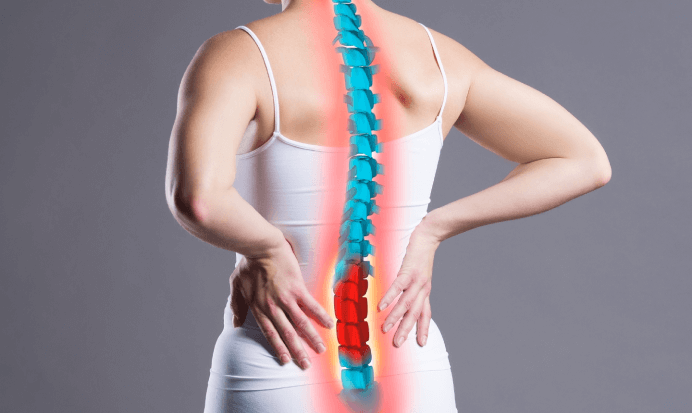

A herniated or slipped disc can cause pressure on a nerve root. Pressure from the vertebrae can cause the disc’s gel-like center to herniate or bulge. When a herniated disc develops in the lower back, it can press on the sciatic nerve.

Spinal stenosis refers to the unusual narrowing of the spinal canal. The narrowing reduces the available space for the nerves and the spinal cord.

Bone spurs can develop in aging bones and compress the nerves found in the lower back.

Piriformis syndrome is a condition that occurs when a small muscle located deep in the buttocks (piriformis muscle) tightens or spasms. This can irritate and put pressure on the sciatic nerve roots.

Cauda equina syndrome is a severe but rare condition that affects the nerves located at the end of the spinal cord. The condition can cause numbness around the buttocks, pain down the leg, and bladder and bowel control loss.
Some of the most common symptoms of the condition include:
While most people can fully recover from the condition even without sciatica surgery or even pinched nerve treatment, the condition has the potential to cause permanent nerve damage. It is recommended that you seek immediate medical attention if you experience:
Risk factors for sciatica include:

Changes in the spine related to aging (i.e., bone spurs and herniated discs) are considered some of the most common causes of the condition.

Excess body weight can increase stress on the spine and might cause spinal changes that can cause the condition to develop.

Sitting for prolonged periods or leading a sedentary lifestyle might also cause sciatica.

Diabetes affects how the body uses blood sugar and can increase the risk of nerve damage.

Jobs that will require carrying heavy loads, twisting the back, or driving a motor vehicle for prolonged periods might also play a role in the development of sciatica.

Medications typically prescribed for the condition can include:

Physical therapy and steroid injections might also be prescribed. Surgery for sciatica will be the last resort if all other remedies fail.
A pinched nerve is considered a form of sciatica and can develop due to pathologies like a synovial cyst, foraminal or lateral stenosis, and disc herniation. Common symptoms of lumbar radiculopathy can include tingling and numbness, pain in the lower extremity, and weakness of the muscles. MicroTubeTM Spine Surgery is a minimally invasive procedure for nerve impingement and addresses the cause of the condition directly. Learn more about the benefits of MicroTubeTM Spine Surgery.
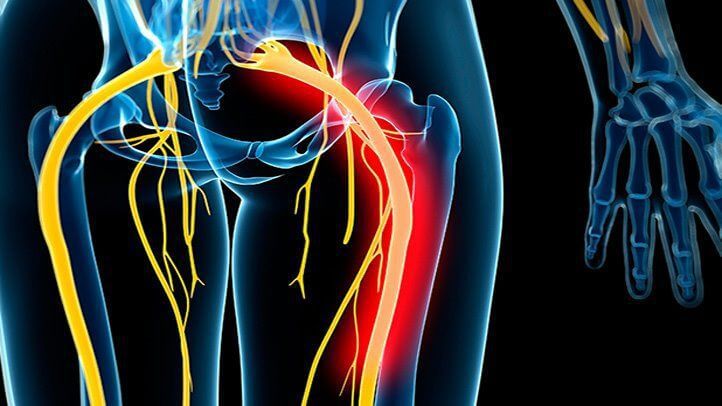
The sciatic nerve is the largest and longest nerve in the human body. It originates from the lower spine (lumbar and sacral regions) and extends through the buttocks, traveling down the back of each leg. This nerve is essential for motor function and sensory perception in the lower body.
It controls the muscles in the back of the thigh, lower leg, and foot, while also transmitting sensations from the lower extremities to the brain.
The sciatic nerve becomes compressed, irritated, or inflamed, which can lead to sciatica—a condition characterized by pain, numbness, and weakness along the nerve’s pathway. Some of the common causes of sciatica include injury, herniated disk, and spinal stenosis. Seeking sciatica pain treatment early can help manage Sciatica symptoms effectively.
You should seek medical attention if:
Early intervention can prevent further nerve damage and improve pinched sciatic nerve treatment outcomes.
To diagnose sciatica, your healthcare provider will have to conduct a comprehensive evaluation, which includes:
There are several sciatic nerve treatment options available, including non-surgical and surgical methods:
Sciatic nerve pain surgery is a medical procedure designed to relieve pressure on the sciatic nerve.
Surgery is only recommended if:
MicroTube™ Spine Surgery is an advanced minimally invasive procedure designed to relieve sciatic nerve compression. Offered by Royal Spine Surgery, this technique uses a specialized micro-tube to access the affected area with minimal disruption to surrounding tissues.
Key benefits:
This technique is particularly effective for conditions like herniated discs, spinal stenosis, and bone spurs that contribute to sciatica.
Compared to conventional spine surgery, MicroTube™ Spine Surgery offers:
While many patients benefit from minimally invasive techniques, suitability depends on factors such as:
A consultation with Royal Spine Surgery will determine the best treatment plan based on your specific condition.
A patient may need back sciatica nerve surgery if they:
While sciatic nerve back surgery is generally safe, potential risks include:
Yes, sciatica can recur, especially if the underlying cause is not fully addressed. Factors that increase recurrence risk include:
Implementing preventive strategies can significantly reduce recurrence after sciatic nerve treatment.
To reduce the risk of sciatica flare-ups:
By adopting these habits, individuals can effectively manage or prevent sciatica from becoming a chronic issue.
Don’t let it control your life any longer.
The right pinched sciatic nerve treatment can help you regain comfort, mobility, and peace of mind.
At Royal Spine Surgery, we provide expert care and advanced treatment
options tailored to your unique needs. Take the first step toward lasting
relief—schedule your consultation today and get back to living pain-free!

