
Chronic back pain. Constant stiffness. A nagging ache that creeps in by midday or lingers long after a good night’s sleep. Most of us chalk it up to stress, bad posture, or maybe a mattress past its prime. But what if your discomfort is actually a sign of something deeper, something structural?
Spine curvature disorders are surprisingly common, yet often misunderstood. These aren’t just textbook terms tossed around in orthopedic clinics. They are real conditions that affect how your spine moves, carries weight, and protects your nervous system. And for millions of adults, they’re the hidden culprit behind everything from recurring pain and herniated discs to uneven shoulders or poor balance.
Whether you’ve just received a diagnosis, are comparing symptoms, or have a hunch something isn’t quite right, consider this your patient-friendly roadmap to understanding your spine and taking the next steps toward long-term relief.
What Are Spine Curvature Disorders?
The spine is naturally curved to help support the body’s weight, absorb shock, and allow for flexible movement. When viewed from the side, a healthy spine forms an “S” shape with gentle curves in the neck (cervical), upper back (thoracic), and lower back (lumbar).
However, when these curves become exaggerated or misaligned, the result is what doctors refer to as abnormal spine curvature.
The majority of abnormal spine curvature cases fall into one of three distinct categories, each with its own pattern and potential complications.
- Lordosis: Excessive inward curvature of the lower spine
- Kyphosis: Excessive outward curvature of the upper spine
- Scoliosis: A sideways curve, often in an S or C shape
These conditions are not merely cosmetic. They can affect breathing, digestion, mobility, and quality of life, especially as they progress without treatment.
A Comprehensive Overview of The Three Abnormal Curvatures of the Spine
Understanding the types of spine curvature disorders is the first step in identifying what may be contributing to your symptoms. Let’s compare the various types of spinal curvatures in more detail.
1. Lordosis (Swayback)
Lordosis is characterized by an exaggerated inward curve in the lower back. It causes the buttocks to appear more prominent and may result in a swayback posture.
Causes:
- Achondroplasia (a form of dwarfism)
- Spondylolisthesis (slippage of a vertebra)
- Obesity
- Osteoporosis with compression fractures
- Pregnancy or weak abdominal muscles
- Discitis (inflammation of spinal discs)
Symptoms:
- Visible swayback posture
- Increased space between the lower back and the floor when lying down
- Back and hip discomfort
- Limited flexibility or mobility
Treatment:
- Physical therapy to strengthen the core and back muscles
- Pain management with NSAIDs
- Weight management
- Wearing a supportive back brace
- Surgery (in rare and severe cases)
2. Kyphosis (Hunched Back)
Kyphosis is an excessive outward curve in the upper back, resulting in a hunched or rounded posture. A curve greater than 50 degrees is typically considered abnormal.
Causes:
- Poor posture (postural kyphosis)
- Scheuermann’s disease (a vertebral growth disorder in adolescents)
- Congenital spine malformations
- Osteoporosis leading to vertebral fractures
- Arthritis
- Spinal tumors or infections
- Spina bifida
Symptoms:
- A hump on the upper back
- The head leans forward compared to the body
- Back pain and stiffness
- Fatigue in the back or legs
- In severe cases, difficulty breathing
Treatment:
- Posture correction exercises and physical therapy
- Pain management with anti-inflammatories
- Back braces for children or adolescents
- Surgery for congenital or progressive structural kyphosis
3. Scoliosis (Lateral Spine Curvature)
Scoliosis is a sideways curvature of the spine that often appears during adolescence but can also develop in adults due to degeneration or other underlying conditions.
Causes:
- Idiopathic (unknown) causes in adolescents
- Congenital malformations
- Neuromuscular conditions such as cerebral palsy or muscular dystrophy
- Spinal degeneration due to aging or arthritis
Symptoms:
- Uneven shoulders, waist, or hips
- One shoulder blade protrudes more than the other
- Leaning to one side
- Visible S- or C-shaped spinal curve on X-rays
- In adults: back pain, stiffness, and reduced mobility
Treatment:
- Observation and monitoring for minor curves
- Bracing during growth years to prevent worsening
- Physical therapy and exercise for strength and function
- Surgical intervention for severe or progressive curves
- Body casting for infants with congenital scoliosis
Comparing the Three Types of Spinal Curvatures
| Disorder | Plane | Typical Age / Onset | Typical Causes | Core Symptoms | Treatment Options |
| Lordosis | Sagittal plane (inward lumbar curve) | Often during childhood or adulthood. Can worsen with obesity or aging | Obesity, spondylolisthesis, osteoporosis, posture | Prominent lower arch, back pain, hip imbalance | PT, braces, weight loss, meds, surgery (if severe) |
| Kyphosis | Sagittal plane (outward thoracic curve >50°) | Adolescence (Scheuermann’s) or older adults | Poor posture, vertebral wedging, osteoporosis, congenital | Rounded upper back, stiffness, fatigue, and possible breathing issues | PT, bracing, NSAIDs, surgery for structural cases |
| Scoliosis | Coronal plane (sideways curve ≥10°) | Adolescence (idiopathic) or adults (degenerative) | Idiopathic/genetic, congenital, neuromuscular, degenerative | Uneven shoulders/hips, lateral lean, pain in degenerative type | Observation, bracing, casting, injections, PT, surgery |
Prevalence and Impact of Spine Curvature Disorders
Spine curvature disorders are more common than many realize, especially among aging populations. Consider these statistics:
- Adult spinal deformity prevalence ranges widely from 2% to over 60%, depending on age and diagnostic criteria.
- In Medicare data, 27.3% of enrollees had spine degenerative diagnoses, with spinal curvature included; prevalence strongly rose with age and obesity.
- Females have higher rates of kyphosis and scoliosis compared to males, while lordosis and straight spine abnormalities can be more common in males.
Left untreated, these conditions can result in chronic pain, reduced lung function, limited mobility, and even psychological stress due to visible posture changes. Recognizing the abnormal spine curvature early can lead to faster, more effective treatment.
How Is Spine Curvature Disorder Detected?
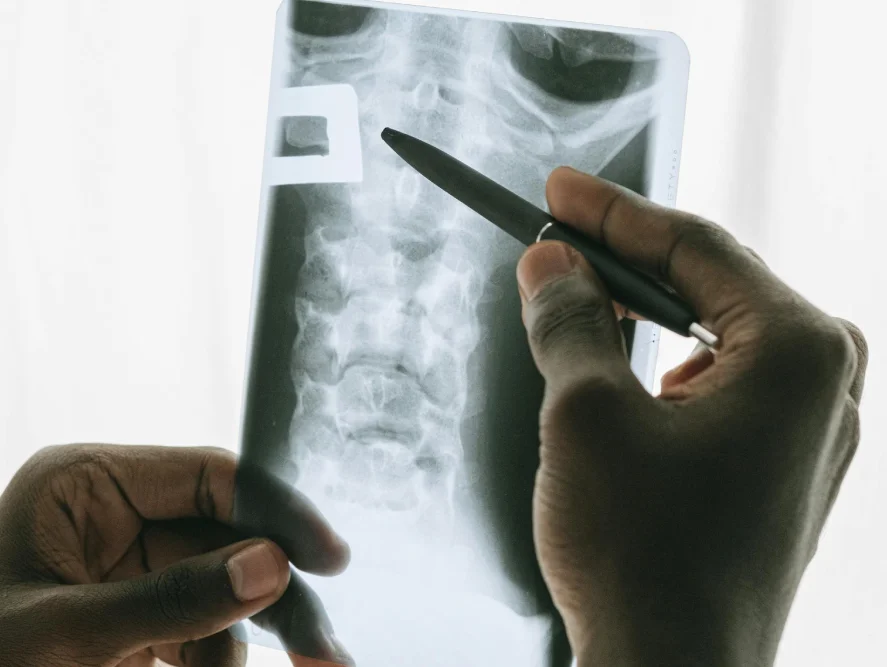
Proper diagnosis is essential for managing abnormal spine curvature. A spine specialist typically conducts:
- Physical examination to assess posture, symmetry, and flexibility
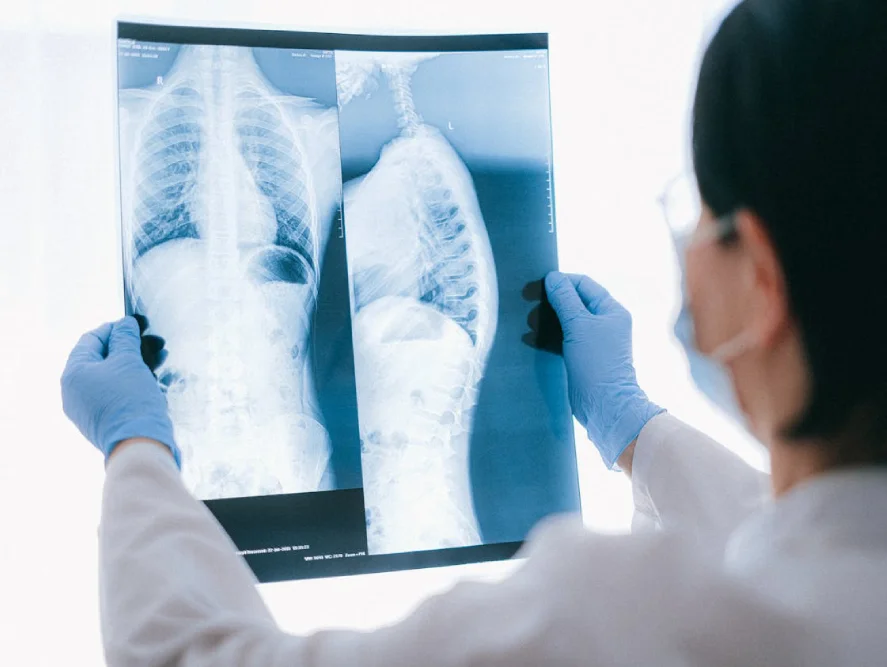
- X-rays to determine the curve’s angle (Cobb angle)
- MRI or CT scans to evaluate underlying tissue and neurological involvement
- Bone density tests for patients at risk of osteoporosis
In some cases of spine curvature disorders, periodic monitoring is all that’s required. In others, an aggressive treatment plan may be necessary to prevent deterioration.
Who’s at Risk for Spine Curvature Disorders?
The risk of developing a spinal curvature condition increases based on several factors:
- Age: Older adults are more susceptible to degenerative spinal issues.
- Genetics: A family history of scoliosis or kyphosis increases the likelihood of developing abnormal spine curvature.
- Lifestyle: Poor posture, inactivity, or obesity can contribute to spine curvature.
- Health conditions: Neuromuscular diseases, osteoporosis, or developmental disorders may also lead to spine curvature disorders.
Recognizing your risk level helps guide both prevention and treatment.
Spine Curvature Disorder Treatment Options (From Conservative to Surgical)
The good news is that many spine curvature disorders can be managed with conservative care, particularly when identified early. Common treatments include:
Conservative Care
- Physical Therapy: Physical therapy sessions and tailored exercise regimens aimed at strengthening core muscles, improving posture, and enhancing spinal flexibility. This approach benefits patients across all spinal curvature types.
- Bracing: Frequently used in adolescents with scoliosis or kyphosis to prevent progression while the spine is still developing.
- Pain Management: Anti-inflammatory medications, muscle relaxants, and corticosteroid injections are often used to relieve pain and inflammation.
- Lifestyle Modifications: Weight management, postural training, spinal health exercises, and ergonomic improvements can also help alleviate symptoms related to spine curvature disorders.
These methods can be highly effective, especially when implemented early in the course of the condition. However, in cases where symptoms persist or worsen, surgical intervention may be recommended.
Minimally Invasive Spine Surgery
When surgery becomes necessary, patients can explore a range of minimally invasive spine surgery (MISS) options. These advanced techniques are designed to correct spinal curvature types such as scoliosis and kyphosis with smaller incisions, less tissue disruption, and faster recovery times than traditional surgery.
The following minimally invasive procedures may be used to treat spine curvature disorder:
MISS Spinal Fusion
This technique is used to stabilize and realign vertebrae in patients with moderate to severe scoliosis or kyphosis. Using specialized instruments and real-time imaging, surgeons perform precise corrections while minimizing damage to surrounding tissues.
Minimally Invasive Deformity Correction
Ideal for adult patients with degenerative or complex types of spine curvature disorders, these procedures may involve inserting rods, screws, or spacers through small incisions to restore spinal balance.
Vertebral Column Resection (VCR)
In select severe cases, VCR allows for partial removal of deformed vertebrae to achieve better alignment.
These techniques are especially valuable for patients dealing with the three abnormal curvatures of the spine who want to return to their daily lives quickly and with less pain. MISS may also be recommended for individuals experiencing nerve compression, progressive deformity, or significant functional limitations that haven’t responded to non-surgical care.
Traditional Surgical Interventions
For patients with severe or progressive spine curvature disorders, especially those who haven’t responded to conservative care, surgical intervention may be the most effective path toward relief and realignment.
Here are some of the most advanced surgical options available today:
Complex Spinal Fusion with Instrumentation
This procedure involves permanently joining two or more vertebrae using rods, screws, or other hardware. It’s designed to stabilize the spine, correct curvature, and prevent further progression.
Osteotomy Procedures
In cases where the spinal curve is rigid or severe, surgeons may perform an osteotomy, removing or reshaping a section of the vertebra to allow better alignment. This is often used in combination with fusion.
Posterior and Anterior Spinal Reconstruction
These comprehensive approaches involve accessing the spine from the back (posterior), front (anterior), or both, to correct deformities, decompress nerves, and restore structural balance. They’re typically reserved for complex or multi-planar spinal curvatures.
While these operations are more extensive, they are often the best choice for restoring stability and correcting severe deformities when less invasive options are not feasible.
Royal Spine Surgery: Spine Care You Can Trust
At Royal Spine Surgery, we specialize in treating a full range of spinal curvature types, from mild postural issues to complex structural deformities. We are committed to minimally invasive solutions whenever possible, not only to improve outcomes but to enhance your overall experience, from shorter hospital stays to faster rehabilitation.
We understand that each case is unique. That’s why our spine surgeons develop personalized care plans based on the specific type of spine curvature disorder affecting you.
Whether you’re dealing with scoliosis, lordosis, kyphosis, or a combination of conditions, you can count on Royal Spine Surgery to guide you every step of the way.