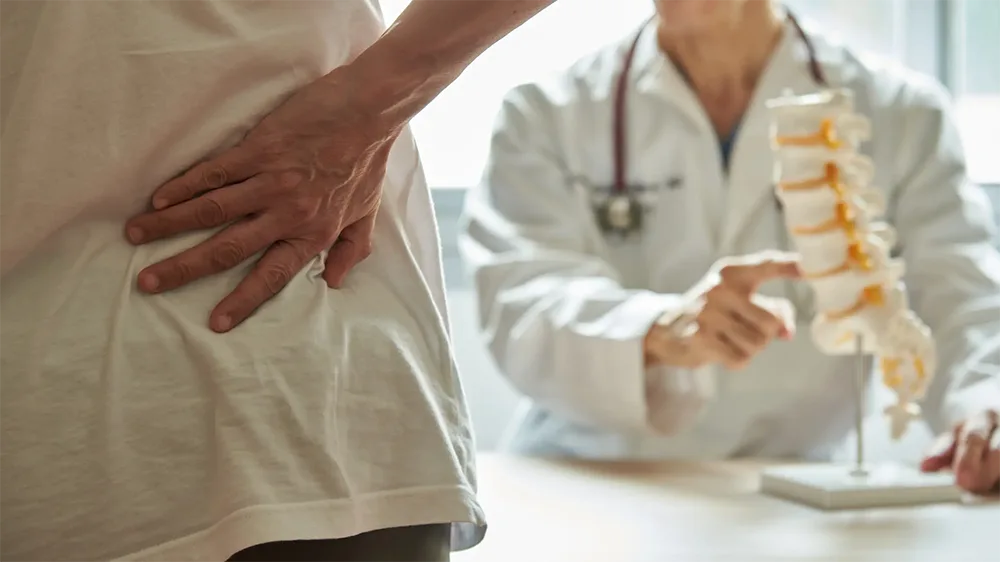


Many people assume that leg pain while walking is caused by muscle strain, circulation problems, or normal aging. However, in some cases, pain, numbness, weakness, or heaviness in the legs may be related to a spinal condition known as neurogenic claudication. This condition commonly develops when spinal narrowing compresses the nerves that travel through the lower back and into the legs.
At Royal Spine Surgery in Scottsdale, AZ, neurogenic claudication is frequently associated with lumbar spinal stenosis and other conditions that cause nerve compression. Understanding how neurogenic claudication develops, recognizing its symptoms, and knowing when to seek evaluation can help patients pursue appropriate treatment and improve their mobility and quality of life.
What Is Neurogenic Claudication?
Neurogenic claudication is a group of symptoms that occurs when nerves in the lower spine become compressed or irritated, most commonly as a result of lumbar spinal stenosis. Unlike muscle-related pain or circulation problems, neurogenic claudication originates from pressure on the spinal nerves, which can affect how signals travel between the lower back and the legs.
Patients with neurogenic claudication often experience symptoms that worsen with standing or walking and improve when sitting down or bending forward. Because the condition is closely associated with spinal narrowing and nerve compression, symptoms may gradually progress over time if the underlying cause is not addressed.
Understanding Neurogenic Claudication and Nerve Compression
Neurogenic claudication develops when nerves within the lumbar spine have less space than they need to function normally. As the spinal canal narrows, pressure can build around the nerve roots that travel into the buttocks, legs, and feet. This nerve compression may interfere with normal nerve signaling, leading to pain, weakness, numbness, or other neurological symptoms.
Many patients describe a feeling of heaviness, fatigue, cramping, or discomfort in the legs after walking for a certain distance. Unlike many other causes of leg pain, symptoms often improve when the spine is flexed forward, such as when sitting, leaning over a shopping cart, or bending at the waist.
How Spinal Stenosis Contributes to Neurogenic Claudication
Lumbar spinal stenosis is the most common cause of neurogenic claudication. Spinal stenosis occurs when the spaces within the spine gradually narrow due to age-related changes such as disc degeneration, thickened ligaments, arthritic joint enlargement, or bone spur formation. As the available space decreases, nearby nerves may become compressed.
When standing upright or walking, the lumbar spine naturally extends, which can further reduce the space around the nerves and intensify symptoms. This is why many patients notice that leg pain, numbness, or weakness worsens with activity and improves with sitting or forward bending. Understanding this relationship between spinal stenosis and nerve compression is an important part of diagnosing and treating neurogenic claudication.
Common Neurogenic Claudication Symptoms
The symptoms of neurogenic claudication can vary from person to person depending on the degree of nerve compression and the severity of spinal stenosis. While leg discomfort is often the most recognizable symptom, many patients experience a combination of pain, weakness, numbness, and mobility limitations that gradually worsen over time.
One of the hallmark features of neurogenic claudication is that symptoms are often activity-dependent. Patients may feel relatively comfortable when sitting or resting but develop increasing discomfort when standing upright or walking for extended periods. Recognizing these characteristic symptom patterns can help distinguish neurogenic claudication from other causes of lower extremity pain.
Leg Pain When Walking and Standing
Leg pain associated with neurogenic claudication commonly develops during walking or prolonged standing. Patients may describe aching, cramping, burning, heaviness, or fatigue in the buttocks, thighs, calves, or feet that becomes more noticeable as activity continues. In some cases, symptoms affect one leg; in others, both legs.
A key characteristic of neurogenic claudication is that symptoms often improve when sitting down or bending forward. Many patients notice relief when leaning over a shopping cart, resting on a countertop, or assuming a flexed posture. This positional improvement can be an important clue that nerve compression within the lumbar spine is contributing to the symptoms.
Lower Back Pain, Weakness, and Other Nerve-Related Symptoms
In addition to leg pain, many individuals with neurogenic claudication experience lower back discomfort that accompanies their neurological symptoms. The pain may be mild or significant depending on the underlying spinal condition and the extent of nerve involvement.
As nerve compression progresses, symptoms such as numbness, tingling, weakness, balance difficulties, or reduced walking endurance may develop. Some patients report feeling as though their legs become heavy or unreliable after standing for a period of time. These neurological changes can interfere with mobility and daily activities, making professional evaluation important when symptoms become persistent or progressively limiting.
Why Does Neurogenic Claudication Occur?
Neurogenic claudication occurs when the nerves traveling through the lower spine become compressed, reducing their ability to function normally during standing and walking activities. This compression often develops gradually as age-related changes alter the structures surrounding the spinal canal and nerve roots. As the available space around the nerves decreases, symptoms such as leg pain, numbness, weakness, and walking intolerance may begin to develop.
Although lumbar spinal stenosis is the most common cause, several spinal conditions can contribute to nerve compression. Identifying the underlying source of the narrowing is an important part of determining the most appropriate treatment approach and helping patients achieve lasting symptom relief.
Lumbar Spinal Stenosis and Narrowing Around the Nerves
At Royal Spine Surgery, lumbar spinal stenosis is one of the most frequently diagnosed causes of neurogenic claudication. The condition develops when the spinal canal narrows, reducing the space available for the nerves traveling through the lower back. This narrowing often occurs gradually as part of the natural aging process and may be associated with disc degeneration, arthritis, thickened ligaments, or bone spur formation.
As the spinal canal narrows, the nerves may be compressed during standing or walking. This can lead to the characteristic symptoms of neurogenic claudication, including leg pain, heaviness, weakness, and numbness that improve when sitting or bending forward. The severity of symptoms often correlates with the degree of nerve compression and spinal narrowing present.
Other Conditions That May Contribute to Nerve Compression
While spinal stenosis is the most common cause, other spinal conditions may also contribute to nerve compression and neurogenic claudication symptoms. Herniated discs, degenerative disc disease, spondylolisthesis, and facet joint enlargement can all reduce the space available for spinal nerves and create similar neurological symptoms.
In some cases, multiple spinal conditions occur simultaneously, further increasing pressure on the nerves. Because different conditions can produce overlapping symptoms, a comprehensive evaluation is often necessary to accurately identify the source of nerve compression and develop a treatment plan tailored to the patient’s specific diagnosis and functional limitations.
How Neurogenic Claudication Is Diagnosed
Diagnosing neurogenic claudication involves more than simply identifying leg pain or lower back discomfort. Because several conditions can cause similar symptoms, a thorough evaluation is necessary to determine whether spinal nerve compression is responsible for the patient’s complaints. The diagnostic process focuses on understanding symptom patterns, evaluating neurological function, and identifying the underlying spinal condition contributing to nerve irritation.
An accurate diagnosis is particularly important because treatment recommendations may vary significantly depending on the source and severity of the nerve compression. Early evaluation can help guide appropriate treatment planning and prevent symptoms from becoming increasingly limiting over time.
Understanding the Diagnostic Evaluation Process
The diagnostic process typically begins with a detailed medical history and physical examination. Patients are often asked about the location of their symptoms, how far they can walk before discomfort develops, activities that worsen or relieve symptoms, and whether weakness, numbness, or balance difficulties are present.
Imaging studies are commonly used to evaluate the structures of the spine and identify areas of narrowing or nerve compression. Depending on the clinical situation, diagnostic testing may help assess spinal stenosis, disc abnormalities, arthritic changes, or other conditions that could be contributing to neurogenic claudication symptoms. Combining imaging findings with the patient’s symptoms and examination results helps create a more complete understanding of the condition.
Why Accurate Diagnosis Is Important for Treatment Planning
Accurate diagnosis is essential because not all causes of leg pain respond to the same treatment approach. Symptoms associated with neurogenic claudication can sometimes resemble vascular conditions, peripheral nerve disorders, hip problems, or other musculoskeletal conditions. Identifying the true source of symptoms helps ensure that treatment is directed at the underlying problem rather than simply managing discomfort.
A precise diagnosis also helps physicians determine the severity of nerve compression and whether conservative treatment, ongoing monitoring, or more advanced intervention may be appropriate. By understanding the specific cause of neurogenic claudication, patients can make more informed decisions regarding their treatment options and long-term spinal health.
Neurogenic Claudication Treatment Options
Treatment for neurogenic claudication is designed to relieve pressure on affected nerves, improve mobility, and reduce symptoms that interfere with daily activities. The most appropriate treatment approach depends on factors such as symptom severity, the degree of spinal narrowing, overall health, and the extent to which the condition affects quality of life.
Many patients begin with conservative therapies, particularly when symptoms are mild to moderate. However, more advanced interventions may be considered when nerve compression continues to cause substantial pain, weakness, or limitations despite appropriate non-surgical care.
Conservative and Non-Surgical Treatment Approaches
Non-surgical treatment options are often the first step in managing neurogenic claudication. These approaches may include physical therapy, activity modification, anti-inflammatory medications, and targeted exercise programs designed to improve flexibility, strength, and spinal stability while reducing stress on affected nerves.
Treatment plans are individualized based on the patient’s symptoms and functional limitations. The goal of conservative care is to improve walking tolerance, reduce pain, and help patients maintain their daily activities whenever possible. Many individuals experience meaningful symptom relief through a combination of therapies that reduce inflammation and improve overall spinal function.
When Surgical Treatment May Be Considered
At Royal Spine Surgery, surgical treatment may be considered when neurogenic claudication symptoms persist despite appropriate conservative care or when nerve compression significantly affects mobility and quality of life. Patients who experience progressive weakness, worsening neurological symptoms, or substantial limitations with walking and standing may benefit from further evaluation to determine whether surgery is appropriate.
The goal of surgical treatment is typically to create more space around the affected nerves and relieve the compression responsible for symptoms. Treatment recommendations are based on the underlying cause of the stenosis, imaging findings, symptom severity, and the patient’s overall health and goals. When surgery is recommended, the focus is on restoring function, improving mobility, and helping patients return to daily activities with less pain and limitation.
When Should You Seek Evaluation for Neurogenic Claudication?
While occasional back or leg discomfort may not always indicate a serious spinal condition, persistent symptoms that worsen with walking or standing should not be ignored. Leg pain, heaviness, numbness, weakness, or fatigue that consistently limits mobility may be signs of nerve compression within the lumbar spine. Early evaluation can help determine whether neurogenic claudication or another spinal condition is contributing to these symptoms.
Patients should also seek medical attention if symptoms begin affecting daily activities, exercise tolerance, balance, or overall quality of life. Because neurogenic claudication often progresses gradually, obtaining an accurate diagnosis can help patients explore treatment options before symptoms become more severe and restrictive.
Why Choose Royal Spine Surgery for Neurogenic Claudication Treatment in Scottsdale, AZ
At Royal Spine Surgery, patients receive comprehensive evaluation and treatment for spinal conditions that contribute to nerve compression and neurogenic claudication. Care begins with a thorough assessment of symptoms, imaging findings, and functional limitations to identify the underlying cause of discomfort and develop an individualized treatment plan.
Whether treatment involves conservative management or advanced surgical intervention, the focus remains on improving mobility, relieving nerve-related symptoms, and supporting long-term spinal health. By addressing the root cause of nerve compression, treatment plans are designed to help patients regain function and improve their overall quality of life.
Schedule a Consultation to Discuss Your Symptoms and Treatment Options
If you experience leg pain when walking, lower back discomfort, numbness, weakness, or other symptoms that may be related to neurogenic claudication, a professional evaluation can help identify the source of the problem. Understanding the cause of your symptoms is the first step toward developing a treatment strategy tailored to your condition and goals.
To learn more, visit Royal Spine Surgery at 9377 E Bell Rd #343, Scottsdale, AZ 85260, call (480) 757-1813, or request an appointment through the online contact page. A personalized consultation can help determine whether spinal stenosis or another condition is contributing to your symptoms and explore treatment options designed to improve comfort, mobility, and daily function.