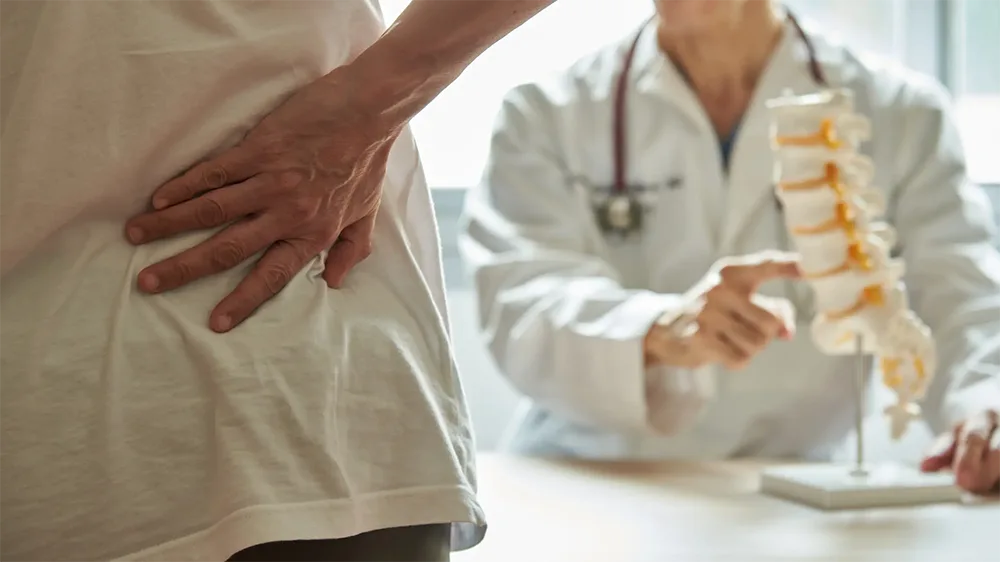


Sciatic nerve pain is a common condition that can cause discomfort extending from the lower back into the buttocks, legs, and feet. While some people experience mild, temporary symptoms, others develop persistent pain, numbness, tingling, or weakness that affects mobility and quality of life. Because sciatic nerve pain is often caused by an underlying spinal condition, identifying the source of nerve compression is an important part of determining the most effective treatment approach.
At Royal Spine Surgery in Scottsdale, AZ, patients are evaluated for a variety of spinal disorders that can contribute to sciatic nerve pain, including herniated discs, spinal stenosis, and lumbar radiculopathy. Understanding how sciatica develops and recognizing when symptoms may require medical attention can help patients make informed decisions about their spinal health and treatment options.
What Is Sciatic Nerve Pain?
Sciatic nerve pain, commonly referred to as sciatica, occurs when the sciatic nerve or one of the nerve roots that form it becomes irritated, inflamed, or compressed. The sciatic nerve is the largest nerve in the body, originating in the lower spine and traveling through the buttocks, legs, and feet. When pressure is placed on these nerves, pain and other neurological symptoms can develop anywhere along the nerve pathway.
Although many people think of sciatica as a condition itself, it is actually a symptom of an underlying issue affecting the lumbar spine. Identifying the source of nerve compression is an essential step in developing an effective treatment plan and preventing symptoms from worsening over time.
Understanding Sciatica and Lumbar Radiculopathy
Sciatica describes pain that radiates along the course of the sciatic nerve, typically beginning in the lower back or buttocks and extending into the leg. Depending on the affected nerve root, symptoms may travel into the thigh, calf, foot, or toes. The pain can range from mild and intermittent to severe and persistent, often interfering with normal daily activities.
Lumbar radiculopathy is the medical term used to describe irritation or compression of a nerve root in the lower spine. Sciatica is one of the most common forms of lumbar radiculopathy. In addition to pain, patients may experience numbness, tingling, altered sensation, or muscle weakness that follows the path of the affected nerve.
How Nerve Compression Can Trigger Sciatic Pain
Sciatic nerve pain develops when a nerve root in the lumbar spine becomes compressed or inflamed. This compression disrupts normal nerve function and can cause symptoms to radiate away from the spine and into the lower extremity. The location and severity of symptoms often depend on which nerve root is affected and the degree of compression present.
Several spinal conditions can contribute to nerve compression, including herniated discs, spinal stenosis, degenerative disc disease, and bone spur formation. As pressure on the nerve increases, symptoms may become more frequent or intense, making early evaluation important for identifying the underlying cause and determining the most appropriate treatment approach.
Common Causes of Sciatic Nerve Pain
Sciatic nerve pain can develop from several spinal conditions that compress the nerve roots in the lower back. Although symptoms may feel similar from one patient to another, the underlying cause of nerve compression can vary significantly. Identifying the source of sciatic pain is important because treatment recommendations often depend on the specific spinal condition.
At Royal Spine Surgery, patients undergo a comprehensive evaluation to determine the factors contributing to their sciatic nerve pain and whether symptoms are related to disc abnormalities, spinal stenosis, or other structural changes in the lumbar spine. Understanding these causes can help patients better recognize their symptoms and explore appropriate treatment options.
Herniated Disc Sciatica and Nerve Irritation
A herniated disc is one of the most common causes of sciatica. This condition occurs when the soft inner material of a spinal disc pushes through a weakened area of the disc’s outer layer and comes into contact with nearby nerve roots. The resulting inflammation and nerve compression can trigger pain that radiates from the lower back into the buttocks and down the leg.
In addition to radiating pain, patients may experience numbness, tingling, burning sensations, or muscle weakness depending on which nerve root is affected. Symptoms can develop suddenly after lifting, twisting, or other physical activities, or they may appear gradually as disc degeneration progresses over time.
Spinal Stenosis and Other Conditions That May Affect the Sciatic Nerve
Spinal stenosis is another common cause of sciatic nerve pain, particularly in older adults. This condition develops when the spaces within the spine narrow, reducing the room available for the nerves. As the spinal canal becomes more constricted, pressure on the nerve roots can lead to pain, weakness, numbness, and difficulty walking or standing for extended periods.
Other conditions that may contribute to sciatic nerve compression include degenerative disc disease, spondylolisthesis, bone spurs, and age-related arthritic changes within the spine. In some cases, multiple conditions may occur simultaneously, increasing the likelihood of nerve irritation and persistent symptoms. A thorough diagnostic evaluation helps determine which spinal structures are contributing to nerve compression and guides the development of an individualized treatment plan.
Recognizing Common Sciatica Symptoms
Sciatica symptoms can vary depending on the location and severity of nerve compression, but they typically follow the path of the sciatic nerve from the lower back into the buttock and leg. While some individuals experience occasional discomfort, others develop persistent symptoms that interfere with mobility, work, exercise, and other daily activities. Recognizing the warning signs of sciatic nerve involvement is important because ongoing nerve compression may worsen if the underlying condition is not addressed.
Symptoms may affect one side of the body or, less commonly, both sides. The specific pattern of pain and neurological changes often provides important clues regarding which nerve root is affected and the extent of nerve irritation present.
Pain, Tingling, and Numbness Along the Sciatic Nerve Pathway
Sciatic nerve pain is commonly described as sharp, shooting, burning, or electric-like discomfort that travels from the lower back or buttocks into the leg. Depending on the affected nerve root, symptoms may extend into the thigh, calf, foot, or toes. Many patients notice that prolonged sitting, standing, bending, or certain movements can aggravate the pain.
In addition to pain, numbness and tingling are common symptoms of nerve irritation. Patients may experience a pins-and-needles sensation, altered feeling, or areas of decreased sensation along the sciatic nerve pathway. These symptoms may come and go initially, but can become more persistent if nerve compression continues.
When Weakness or Mobility Changes May Signal a More Serious Issue
While pain is often the most noticeable symptom of sciatica, muscle weakness and changes in mobility may indicate more significant nerve involvement. Patients may notice difficulty lifting the foot, climbing stairs, standing from a seated position, or maintaining balance during everyday activities.
As nerve compression progresses, symptoms can begin to affect walking endurance, coordination, and overall function. Persistent weakness, worsening numbness, or increasing difficulty with mobility should be evaluated promptly, as these neurological changes may suggest ongoing pressure on the affected nerve and could require further diagnostic assessment and treatment.
Sciatic Nerve Treatment Options
Treatment for sciatic nerve pain focuses on relieving nerve compression, reducing inflammation, improving mobility, and addressing the underlying spinal condition responsible for symptoms. Because sciatica can develop from a variety of causes, treatment recommendations are individualized based on the patient’s diagnosis, symptom severity, overall health, and response to previous therapies.
Many patients experience significant improvement through conservative treatment approaches, particularly when symptoms are identified and addressed early. The goal is not only to reduce pain but also to restore function and help patients return to their normal activities with greater comfort and confidence.
Conservative and Non-Surgical Sciatica Treatment Approaches
Conservative treatment is often the first step in managing sciatic nerve pain. Depending on the underlying cause, non-surgical care may include activity modification, physical therapy, anti-inflammatory medications, targeted exercise programs, and other therapies designed to reduce pressure on irritated nerves and improve spinal function.
Many patients benefit from maintaining appropriate levels of activity rather than prolonged bed rest, which can contribute to muscle weakness and stiffness. By addressing both symptoms and contributing biomechanical factors, conservative treatment plans aim to support recovery while helping patients maintain mobility and quality of life.
Physical Therapy, Injections, and Other Pain Management Strategies
Physical therapy is frequently recommended as part of a comprehensive sciatica treatment plan. Structured rehabilitation programs may focus on improving flexibility, strengthening the muscles that support the spine, enhancing posture, and promoting healthier movement patterns that reduce stress on affected nerves.
For patients with persistent symptoms, additional pain management strategies may be considered. Injection-based treatments may help reduce inflammation around irritated nerve roots and provide temporary symptom relief while other therapies address the underlying condition. Depending on the patient’s diagnosis and treatment goals, a combination of rehabilitation, pain management, and ongoing monitoring may be used to support long-term improvement and functional recovery.
When Is Advanced Treatment for Sciatic Nerve Pain Considered?
Many patients with sciatica improve through conservative treatment measures, but some continue to experience persistent symptoms despite appropriate care. When nerve compression remains unresolved, ongoing pain and neurological symptoms can begin to interfere with mobility, work responsibilities, exercise, and overall quality of life. In these situations, further evaluation may be necessary to determine whether more advanced treatment options should be considered.
The decision to pursue advanced treatment is based on several factors, including symptom duration, severity, imaging findings, and the patient’s response to non-surgical therapies. A comprehensive evaluation helps identify whether continued nerve compression is contributing to symptoms and guides the next steps in treatment planning.
Signs That Symptoms May Require Further Evaluation
At Royal Spine Surgery, patients are evaluated for persistent sciatic nerve pain that does not improve with conservative treatment. Symptoms such as ongoing radiating leg pain, worsening numbness, increasing tingling, or discomfort that limits daily activities may warrant additional assessment.
Progressive neurological symptoms should be taken particularly seriously. Muscle weakness, balance difficulties, reduced walking tolerance, or changes in mobility may suggest ongoing nerve compression that requires further investigation. Identifying these changes early can help guide timely treatment decisions and potentially prevent additional nerve-related complications.
Understanding When Minimally Invasive Spine Surgery May Be Recommended
Minimally invasive spine surgery may be considered when conservative treatments fail to provide sufficient relief or when nerve compression continues to cause significant functional limitations. These procedures are designed to address the underlying source of nerve irritation while minimizing disruption to surrounding tissues whenever appropriate.
The decision to recommend surgery is individualized and depends on factors such as the cause of nerve compression, imaging findings, symptom severity, and overall patient health. For some patients, relieving pressure on the affected nerve may help reduce pain, improve mobility, and restore function when non-surgical approaches have not achieved the desired results. A thorough evaluation helps determine whether minimally invasive surgical treatment may be an appropriate option based on the patient’s specific condition and goals.
Finding Relief from Sciatic Nerve Pain
Finding lasting relief from sciatic nerve pain begins with identifying the underlying cause of nerve compression and developing a treatment plan tailored to the patient’s specific condition. Because sciatica can result from herniated discs, spinal stenosis, degenerative changes, or other spinal disorders, effective treatment often requires more than simply managing symptoms. A thorough evaluation can help determine which treatment options are most appropriate based on the severity of symptoms, functional limitations, and overall health goals.
Whether treatment involves conservative therapies, ongoing symptom management, or advanced intervention, the focus remains on reducing nerve irritation, restoring mobility, and improving quality of life. Early evaluation can help patients better understand their condition and explore options before symptoms become increasingly disruptive.
Why Choose Royal Spine Surgery for Sciatic Nerve Pain Treatment in Scottsdale, AZ
At Royal Spine Surgery, patients receive comprehensive care for spinal conditions that contribute to sciatic nerve pain and lumbar radiculopathy. Evaluation begins with a detailed assessment of symptoms, medical history, physical examination findings, and diagnostic imaging to accurately identify the source of nerve compression and develop a personalized treatment strategy.
The practice offers both non-surgical and advanced treatment options based on each patient’s diagnosis and goals. By focusing on individualized care and evidence-based treatment planning, Royal Spine Surgery helps patients pursue meaningful symptom relief while supporting long-term spinal health and function.
Schedule a Consultation to Discuss Your Symptoms and Treatment Options
If you are experiencing persistent sciatic nerve pain, numbness, tingling, weakness, or other symptoms that affect your daily life, a professional evaluation can help determine the underlying cause and guide the next steps in treatment. Understanding what is contributing to your symptoms is an important first step toward finding effective relief and preventing ongoing nerve irritation.To learn more, visit Royal Spine Surgery at 9377 E Bell Rd #343, Scottsdale, AZ 85260, call (480) 757-1813, or request an appointment through the online contact page. A personalized consultation can help identify the source of your sciatic nerve pain and explore treatment options designed to improve comfort, mobility, and overall quality of life.