

This medical condition can also trigger leg and back pain. Radiculopathy can develop anywhere along the spine—from the neck to the middle back down to the lower spine.
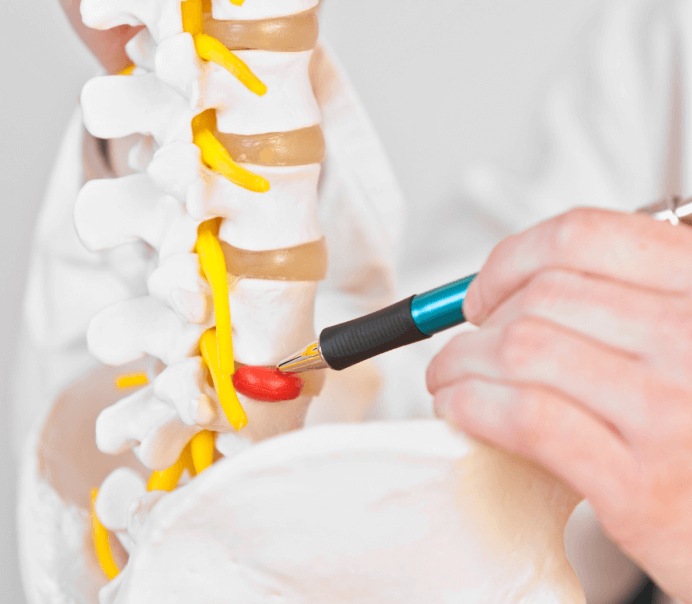
Radiculopathy refers to a set of symptoms that occur when a spinal nerve root is compressed, irritated, or inflamed. This can be caused by a variety of conditions, such as herniated discs, spinal stenosis, bone spurs, or tumors.
The symptoms of radiculopathy vary depending on the location and severity of the nerve compression, but can include pain, numbness, tingling, or weakness in the affected area. For example, if a nerve root in the neck is compressed, the person may experience pain or weakness in the arms or hands, while compression of a nerve root in the lower back may cause pain or weakness in the legs or feet.
Treatment for radiculopathy depends on the underlying cause of the nerve compression. Conservative treatment measures may include rest, physical therapy, pain medication, and corticosteroid injections. In more severe cases, surgery may be necessary to relieve pressure on the affected nerve root.
If you experience symptoms of radiculopathy, it is important to seek medical attention to determine the cause and appropriate treatment options. Early diagnosis and treatment can help prevent further nerve damage and improve outcomes.
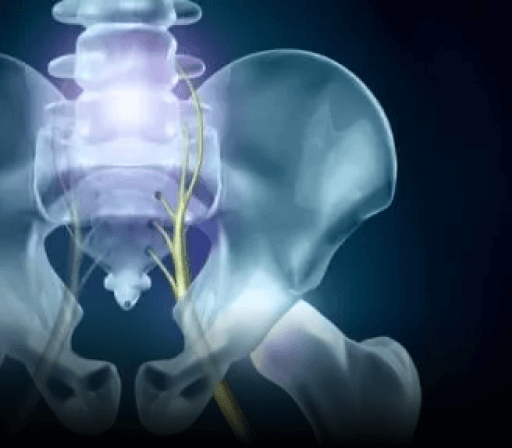
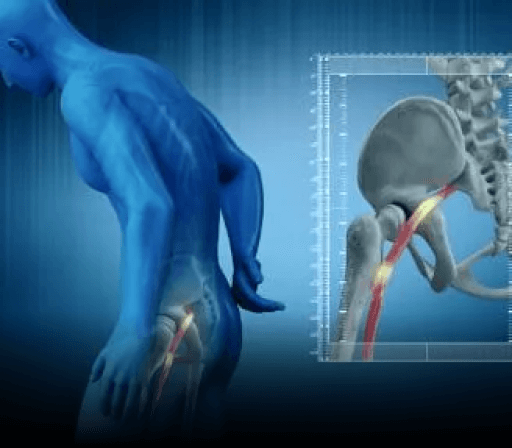
Sciatica and radiculopathy are often used interchangeably to refer to inflammation or compression of the spinal nerve found in the lower back. Radiculopathy is the medical term used for the actual nerve dysfunction secondary to the compression. On the other hand, sciatica refers to the leg or back pain that results from radiculopathy.
Radiculopathy or radicular pain often radiates into the lower extremity (calf, thigh, and sometimes the foot) along a specific spinal nerve root. Sciatica is the most common symptom of radicular pain. With sciatica, leg pain is often worse than the pain in the back. When the higher nerve roots are compressed, radicular pain can be experienced in the shin and the front of the thigh.
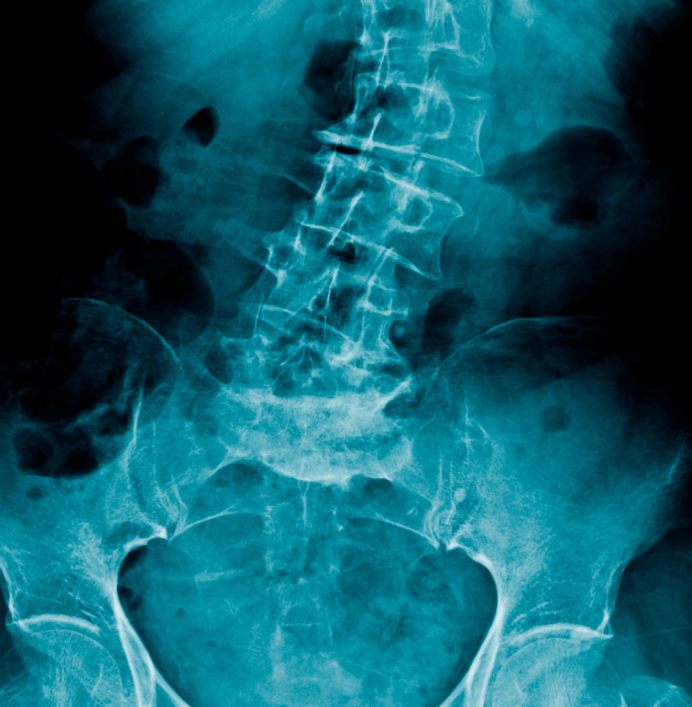
Radiculopathy can be attributed to various causes, including:
While most people can fully recover from the condition even without sciatic nerve pain surgery or even pinched nerve treatment, the condition has the potential to cause permanent nerve damage. It is recommended that you seek immediate medical attention if you experience:
While most people can fully recover from the condition even without sciatic nerve pain surgery or even pinched nerve treatment, the condition has the potential to cause permanent nerve damage.
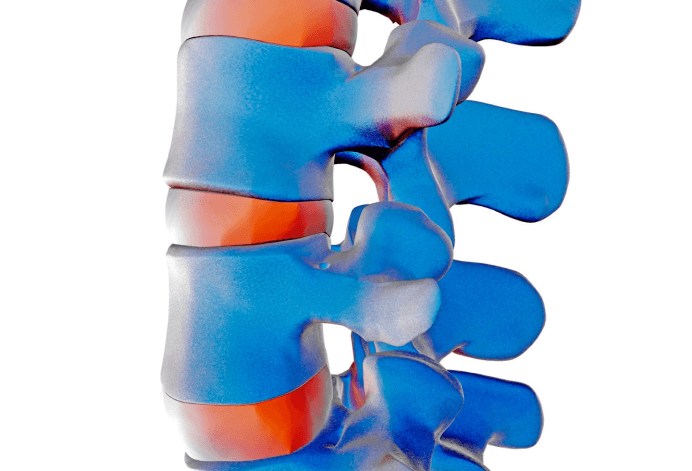
Typically, when radiculopathy is diagnosed, nonsurgical and conservative treatment options are often considered. Fortunately, at least 90 percent of patients with radiculopathy respond well to conventional radiculopathy treatments.
Nonsurgical radiculopathy treatment options include:
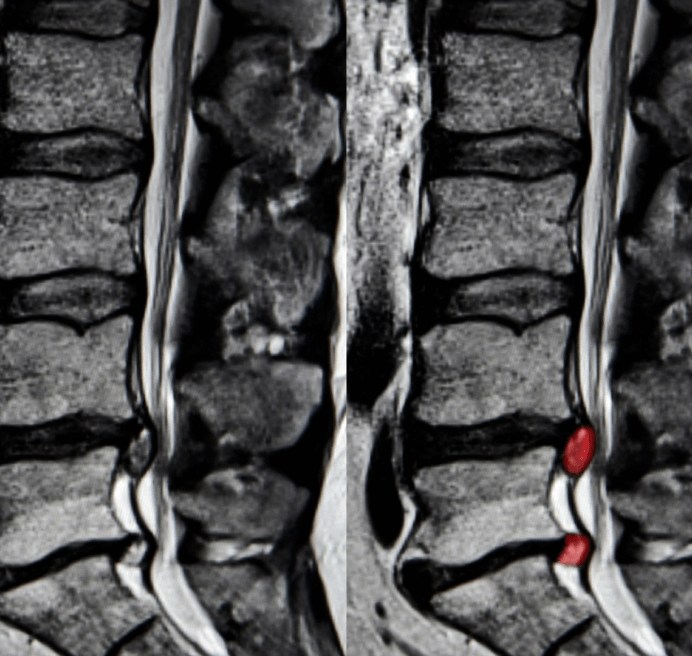
If no improvement is noticed after six weeks of treatment, surgery for radiculopathy may be recommended. If the patient experiences progressive muscle weakness and severe leg pain, radiculopathy surgery may be considered sooner.

The primary goal of this surgical option is to relieve the spinal nerves pressure that’s causing the symptoms.

Microdiscectomy is the most common surgery performed for herniated discs. A one to two-inch incision is created in the spine where the herniation is located. Once the herniation is located, the herniated piece is removed. This type of surgery will last an hour or two.

Spinal fusion is one of the rarest treatment options for radiculopathy. It is only resorted to when the spinal segments become unstable or when they collapse. During the procedure, a vertebral bone is fused or attached to an adjacent vertebral bone.
While the fusion will minimize freedom of movement in the spine, immobility can also stop the spinal instability that is causing pain.
Radiculopathy is classified as a form of sciatica. It can develop due to pathologies such as foraminal or lateral stenosis, synovial cyst, and disc herniation. Common symptoms of radiculopathy include tingling and numbness, weakness of a group of muscles, and pain in the lower extremity. MicroTubeTM Spine Surgery uses a minimalistic approach to the nerve impingement site and directly addresses its cause. Learn more about the benefits of MicroTubeTM Spine Surgery by clicking here.
Lumbar radiculopathy is a condition caused by compression, inflammation, or injury to a spinal nerve in the lower back. It leads to nerve dysfunction, which can result in pain, numbness, or weakness in the affected leg. Sciatica, on the other hand, is not a medical condition but a symptom of lumbar radiculopathy. It refers specifically to pain radiating along the path of the sciatic nerve, often caused by a herniated disc or spinal stenosis.
If you’re experiencing the symptoms of sciatica, consult a spine specialist to properly diagnose your condition and determine the best lumbar radiculopathy sciatica treatment for your condition.
Symptoms vary depending on the severity of nerve compression but often include:
In severe cases, individuals may experience difficulty controlling bladder or bowel function, which requires immediate medical attention.
Not always. Many people recover with non-surgical lumbar radiculopathy treatments, including physical therapy, medications, and lifestyle modifications. However, if left untreated, prolonged nerve compression can cause permanent nerve damage, leading to chronic pain, muscle weakness, or even loss of function in the affected limb. Early intervention significantly improves the chances of a full recovery.
A healthcare provider will diagnose lumbar spine radiculopathy through:
Medical history and physical examination – Assessing pain patterns, reflexes, and muscle strength.
Imaging tests –
Non-surgical lumbar radiculopathy treatments focus on reducing inflammation, relieving pain, and restoring mobility. These include:
Surgery for Lumbar Radiculopathy is typically considered if symptoms:
Surgical procedures aim to decompress the nerve and stabilize the spine. Common options include:
MicroTube™ Spine Surgery is an advanced, minimally invasive lumbar spine surgery procedure designed to relieve nerve compression with minimal disruption to surrounding tissues. Using a small surgical tube, the surgeon removes herniated disc material, bone spurs, or thickened ligaments that are pressing on the spinal nerve root. This restores normal nerve function, alleviating pain, numbness, and weakness.
Yes. MicroTube™ Spine Surgery has shown high success rates in treating radiculopathy and relieving its symptoms while minimizing risks and recovery time. Compared to traditional open lumbar spine surgery, it offers:
Many patients experience significant relief within a few days to weeks after the procedure.
Ideal candidates are individuals who:
While the risk is lower compared to traditional lumbar radiculopathy surgery, potential complications include:
However, advancements in surgical techniques and careful patient selection significantly reduce these risks. Most patients recover smoothly with excellent outcomes.
Lumbar radiculopathy can significantly impact your daily life, but Royal Spine Surgery in Scottsdale, AZ offers advanced treatments like MicroTube™ Spine Surgery for highly effective relief with minimal downtime.
If you’re dealing with persistent symptoms, schedule a consultation with our spine specialists. We’ll evaluate your condition and recommend the most effective treatment plan to help you find lasting relief.

