

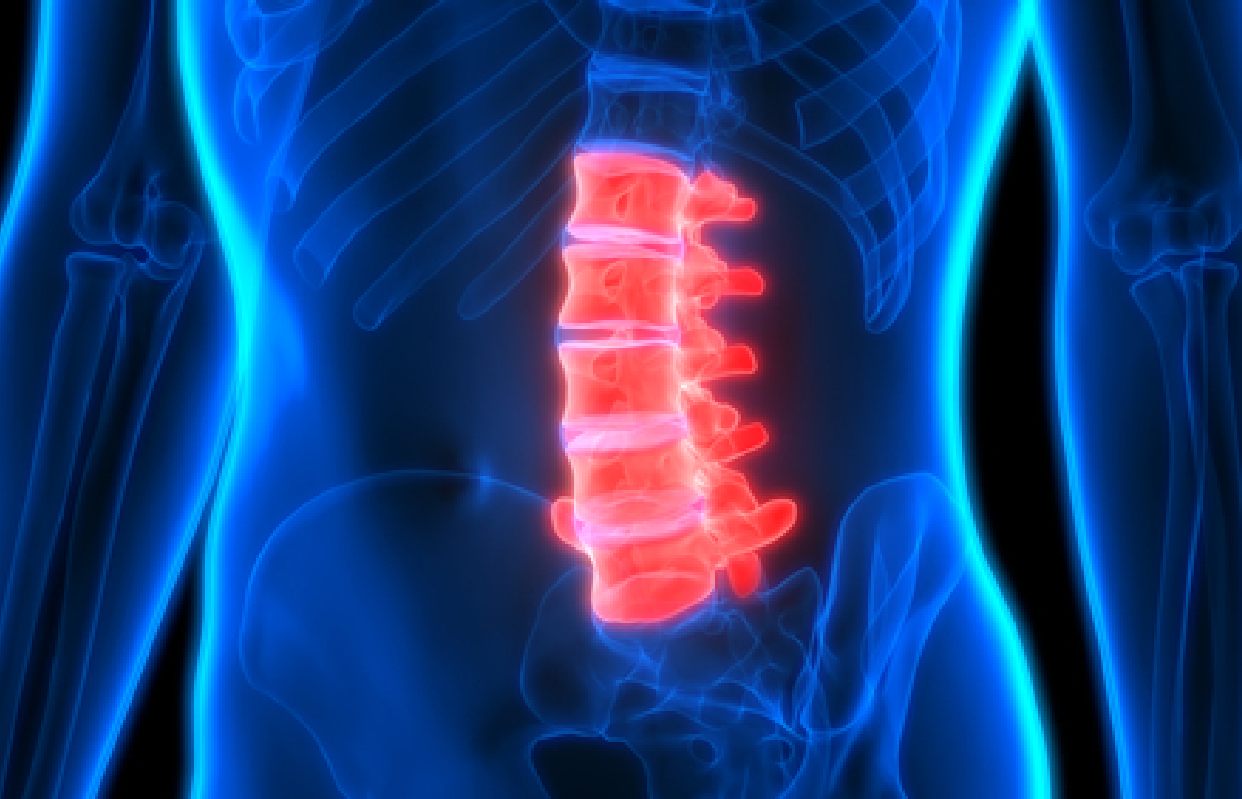
The natural aging process takes a toll on many vital organs and structures, and the back bears much of that brunt. The lumbar vertebrae, in particular, suffer a lot as one gets older. The lumbar vertebrae are the cylindrical bones of the vertebral column, and they support the body’s weight all through your life.
In between the lumbar vertebrae, are disks which act as shock absorbers whenever there is any tension on the back. Due to strenuous activities and lots of movement in your lifetime, these disks begin shrinking in size and losing their lubrication. As these disks diminish, the lumbar vertebrae bones are left rubbing against each other, and this can cause pain and discomfort.
In some cases, degeneration of the lumbar spine can lead to nerve compression, causing conditions such as lumbar radiculopathy, pain, numbness, or weakness radiating from the lower back into the legs. When conservative treatments such as physical therapy or injections fail, lumbar radiculopathy surgery may be necessary to relieve pressure on the affected nerve roots and restore function.
Although aging is a must, you don’t have to suffer from the annoying pain resulting from lumbar vertebrae and disks deterioration. While some back conditions are the result of disease, you can prevent most back conditions by taking preventative steps.
Think About Your Posture Today
The posture you assume today at your workplace or in school will determine if your lumbar vertebrae will suffer from damaging conditions or not. Taking up poor sitting positions can lead to too much stress on the lumbar vertebrae and cause pain as the disks degenerate over time.
It is imperative to invest in proper ergonomic furniture that supports your back while you work and ensure that you are always seated upright without slouching. A good posture will ensure that stress is evenly distributed in the back, and you will prevent the chances of complications later on in life.
Exercise Regularly
One effective way of strengthening your lumbar vertebrae is to target the muscles surrounding the your back. These exercises will not only make your back muscles strong, they will increase the range of motion of your back and make you more flexible.
Some of the best exercises include flexion stretches, extension stretches, and aerobics. These are exercises you can do at your home in the morning, in the gym or even in the evening before you go to bed.
Avoid Lifting Heavy Weights
Lifting heavy objects exerts unbearable pain on your lumbar vertebrae. It is advisable to avoid carrying any weight equivalent to a quarter of your body weight or more, as heavy weight contributes to degeneration of the upper back.
If you have to lift a weight heavier than a quarter of your body weight, bend your knees and use the right posture to lift the weight gently as you get to your feet slowly.
Invest in a Good Mattress
Just like your office chair, you should invest in a high-quality mattress which supports your back better and always assume the right sleeping positions to avoid putting too much stress on your upper back.
Are you already experiencing symptoms of upper back pain? Are you worried about your lumbar vertebrae? Here at Royal Spine Surgery, we care a lot about the well-being of your back. Through our integrated approach, we diagnose problems early, treat any conditions, and offer surgical solutions – including lumbar radiculopathy surgery, while also advising you on how to maintain spinal health.
Contact us today with any questions you may have. Your back deserves expert care.