

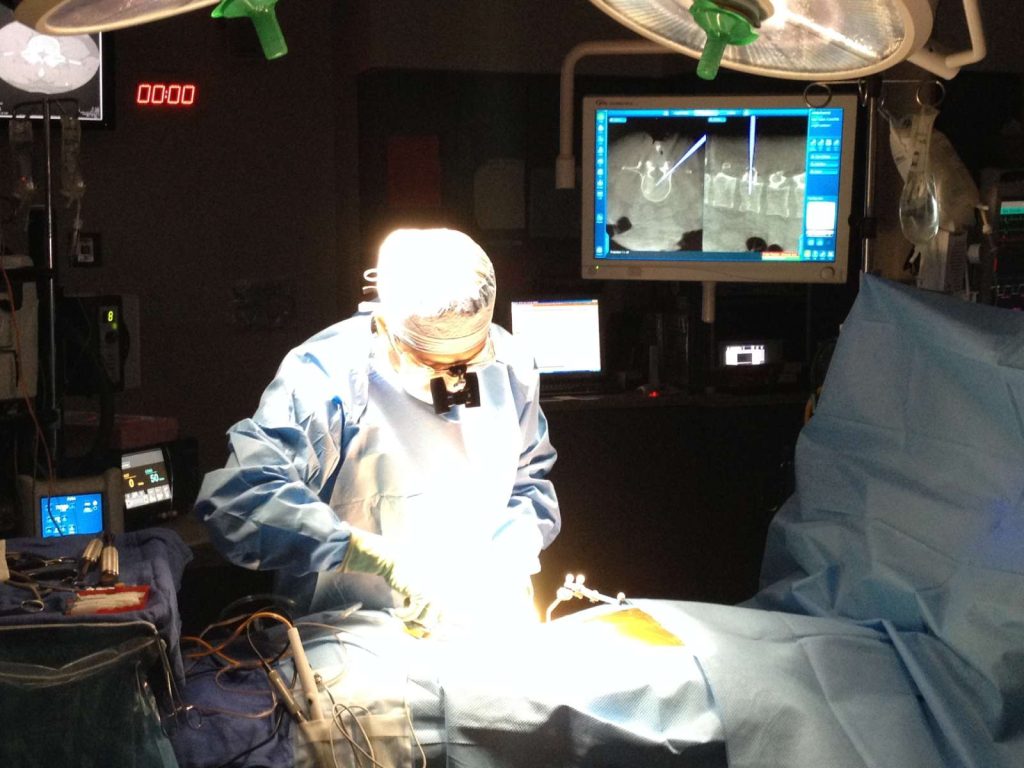
Traditional spine surgery often comes with long recovery periods and significant discomfort for individuals suffering from spinal conditions. However, minimally invasive spine surgery (MISS) has revolutionized the field, offering less pain, shorter hospital stays, and quicker recovery times. This post delves into the latest advances in MISS and the challenges patients and surgeons face.
What Is Minimally Invasive Spine Surgery?
MISS refers to a collection of surgical techniques that aim to treat spinal conditions through smaller incisions than those used in traditional open surgery. The use of specialized instruments and imaging technology allows surgeons to precisely address issues like herniated discs, spinal stenosis, and more complex conditions such as scoliosis with minimal disruption to surrounding tissues. By making smaller incisions, patients experience spinal pain relief faster and often recover quicker than with traditional surgery.
Types of Minimally Invasive Spine Surgery
Several types of MISS procedures have emerged, each tailored to specific spinal conditions. These include:
Microtube Spine Surgery
Microtube spine surgery is a minimally invasive technique that uses a small, tubular retractor to access the spine through a tiny incision. Surgeons insert specialized instruments through the tube, allowing them to treat conditions like herniated discs or spinal stenosis with minimal disruption to surrounding muscles and tissues. Microtube spine surgery is particularly effective for patients seeking a quicker, less invasive option while still ensuring high levels of precision and success in treating spinal conditions.
Cervical Artificial Disc Replacement
Cervical Artificial Disc Replacement (ADR) is a surgical procedure designed to treat degenerative disc disease or other conditions affecting the cervical spine (neck region). This minimally invasive surgery involves removing a damaged or herniated disc between two vertebrae and replacing it with an artificial disc to restore mobility and provide spinal pain relief. Patients who undergo cervical ADR often experience quicker recovery times, less postoperative discomfort, and a reduced risk of adjacent segment degeneration—a common issue with spinal fusion surgeries.
Minimally-Invasive TLIF (Transforaminal Lumbar Interbody Fusion)
TLIF is designed to treat lower back pain caused by degenerative disc disease or spinal instability. The surgeon accesses the spine from the side through a small incision, removes the damaged disc, and places a bone graft between the vertebrae to promote fusion. Minimally-invasive TLIF offers patients faster recovery and reduced postoperative discomfort compared to traditional fusion surgeries.
Minimally Invasive Lumbar Decompression
Minimally Invasive Lumbar Decompression surgery is a highly effective procedure designed to relieve pressure on the spinal nerves, most commonly used to treat conditions such as spinal stenosis.
During the procedure, the surgeon makes a small incision in the back and uses specialized tools to remove the portion of bone or ligament that is compressing the nerves. This technique helps create more space for the spinal cord and nerve roots, reducing pain and restoring mobility.
Minimally Invasive Spinal Fusion
Minimally Invasive Spinal Fusion is a modern technique designed to stabilize the spine by permanently connecting two or more vertebrae. Traditional spinal fusion surgery requires large incisions and muscle dissection, but advancements in minimally invasive techniques have allowed for smaller incisions, which is particularly beneficial for patients who require stabilization but want to avoid the long recovery times associated with open surgery.
Each of these techniques provides effective spinal fusion alternatives and contributes to quicker spinal surgery recovery times, making them suitable for a wide range of patients.
Advances in Minimally Invasive Techniques
Minimally invasive spine surgery (MISS) has seen remarkable progress in recent years, driven by innovations in technology. Below are some of the most notable advances that have made minimally invasive techniques even more effective:
1. Robotics and Navigation Systems
The incorporation of robotics and navigation systems has allowed surgeons to achieve greater accuracy when placing screws, implants, and other devices in the spine. With the aid of robotic guidance, surgeons can operate with extreme precision, reducing the risk of complications such as misaligned screws or damage to nearby tissues. Additionally, these systems help minimize human error and reduce surgery time, leading to better patient outcomes and quicker recoveries.
2. Enhanced Imaging
Advanced intraoperative imaging systems provide surgeons with high-definition, real-time visuals of the spine during surgery. Unlike traditional imaging techniques that offer static, 2D images, enhanced imaging systems now offer dynamic, 3D visuals that can be updated throughout the procedure. This enhanced imaging capability allows surgeons to make precise decisions on the fly, improving the accuracy of their work. It also helps avoid accidental damage to surrounding structures like nerves and blood vessels.
3. Laser-Assisted Procedures
The use of lasers in spinal surgery has allowed for even less invasive methods to target damaged tissue with minimal impact on the surrounding areas. This approach is often referred to as minimally invasive laser spine surgery, and it’s particularly effective in treating conditions like herniated discs and spinal stenosis. The precision of laser-assisted procedures results in faster healing and less scarring, making it a popular choice for patients looking to minimize downtime after surgery.
These innovations not only make procedures more precise but also help reduce surgery time and improve outcomes for patients.
Challenges in Minimally Invasive Spine Surgery
Despite these advances, several challenges remain in the field of minimally invasive spine surgery.
1. Learning Curve for Surgeons
MISS techniques require specialized training and skills. Unlike traditional spine surgery, which involves large incisions and direct visual access to the spine, MISS relies on advanced tools like robotics and lasers. Not all surgeons are trained in these methods, and the steep learning curve can lead to inconsistencies in outcomes. Surgeons must gain significant experience before they can achieve the same success rates as they do with traditional techniques.
2. Patient Candidacy
Not all spinal conditions are suitable for minimally invasive procedures. Patients with complex spinal deformities, severe scoliosis, or multiple fractures may still need traditional open surgery. Consulting a minimally invasive spine surgery specialist is crucial to determining whether MISS is appropriate for the patient’s condition.
3. Access to Technology
Finally, access to the advanced technologies used in MISS, such as robotics and laser systems, is limited. These tools are expensive and not available in all surgical centers, particularly in rural or underfunded areas. As a result, not all patients can benefit from the latest innovations in spine surgery.
The Future of Minimally Invasive Spine Surgery
As technology continues to evolve, the future of MISS looks promising. Improvements in robotics, real-time imaging, and 3D modeling are expected to further enhance precision, reduce recovery times, and expand the number of spinal conditions that can be treated using these techniques. Additionally, more research into spinal surgery recovery is helping to optimize postoperative care, with a growing focus on faster rehabilitation and improved pain management.
Consult a Minimally Invasive Spine Surgery Specialist
Advances in minimally invasive spine surgery are offering patients more options and better outcomes, particularly for complex spinal conditions. However, it is crucial to consult with a specialist who is experienced in these techniques to determine the best type of minimally invasive spine surgery for your condition.
If you’re exploring options for spinal fusion alternatives or curious about the latest technologies in spine surgery, don’t hesitate to contact Royal Spine Surgery for a consultation.