
How to finally get relief without jumping straight to major surgery.
If you’ve been sidelined by a herniated disc, you know how disruptive it can be. That sharp, radiating pain down your leg or arm. The stiffness that makes sitting, walking, or even sleeping uncomfortable. The frustration of putting life on hold because of a spine issue you never saw coming.
While disc herniation is common, affecting roughly 2% of U.S. adults each year (that’s nearly 7 million people), most people don’t need invasive surgery to get back to their lives. With the right plan, many patients see major improvements in a matter of weeks or months.
So, what’s the best treatment for a herniated disc? The answer depends on your symptoms, how long you’ve had them, and how your body responds to early care. Below, we’ll walk you through 12 proven ways to treat a herniated disc so you can better understand your path to relief.
Non-Surgical Treatment for Herniated Disc
1. Physical Therapy: The Cornerstone of Recovery
Once, doctors told herniated disc patients to stay in bed for weeks, hoping rest alone would do the trick. However, prolonged bed rest can actually slow down recovery. What really helps? Targeted, guided movement.
With the help of a licensed physical therapist, you can get the best therapy for a herniated disc designed specifically for your pain and mobility level. Most programs combine:
- Passive therapies like deep tissue massage, traction, or transcutaneous electrical nerve stimulation (TENS) to calm pain and swelling.
- Active exercises that strengthen your core and back muscles, improve flexibility, and get blood flowing to the injured area so healing can begin.
These programs are more than “stretching classes.” They’re effective methods on how to heal a herniated disc quickly without causing more irritation. A narrative review on Non-Surgical Approaches to the Management of Lumbar Disc Herniation shows that stabilization exercises alone can significantly reduce pain and stiffness in lumbar disc herniation patients.
2. Hot and Cold Therapy: Easy, Low-Cost Method for Relieving Herniated Disc Pain
Alternating cold and heat isn’t just “grandma’s remedy,” it’s a time-tested, doctor-recommended way to help your body heal and manage the worst of the pain.
Here’s why it works so well:
- Cold therapy is your go-to when the pain flares up, especially in the first 48 hours. The cold constricts blood vessels, which helps calm inflammation, numb sharp pain, and stop swelling from getting worse.
- Heat therapy opens blood vessels, increases circulation, and relaxes tight, aching muscles. Bringing fresh, oxygen-rich blood to the area helps tissues repair and makes your back or neck feel less stiff so that you can move more comfortably.
The key is knowing when to use each. If your pain feels sharp, grab the cold pack first. Once things settle, switch to heat to keep your muscles loose and your spine ready for stretching or physical therapy. Together, they work as a simple but effective tool for relieving herniated disk pain. They’re also the best therapy for herniated disk that you can do at home every day.
3. Alternative Therapies: Ancient Wisdom Meets Modern Science
Alternative therapies, once dismissed as fringe, are earning a real place in modern spine care.
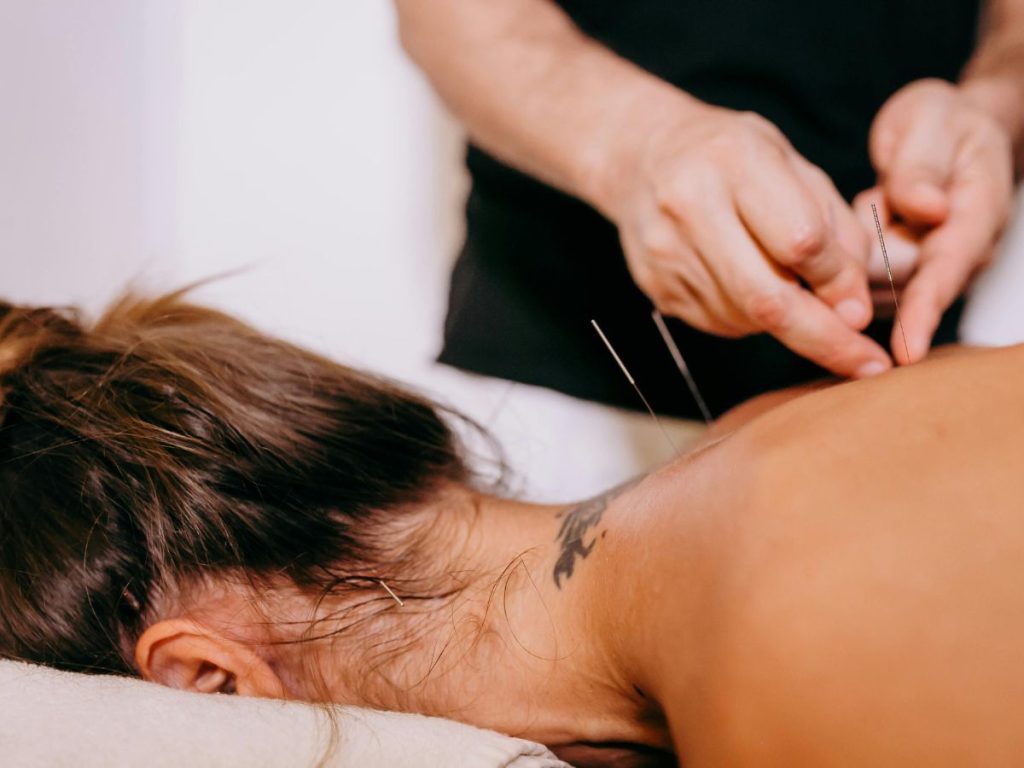
- Acupuncture is more than just “needles and mysticism.” Today, studies show acupuncture can trigger endorphin release, improve blood circulation, and reduce muscle tension, all of which help ease the discomfort from a herniated disc.
- Chiropractic care is another therapy gaining traction, especially for those with herniated discs causing nerve irritation. When performed by a licensed chiropractor, gentle spinal adjustments can help relieve pressure on compressed nerves, improve alignment, and restore mobility. According to Physiopedia, the short-term effect of spinal manipulation therapies for low back pain is similar to that of NSAIDS.
For patients seeking herniated disc alternative treatments to complement traditional care, these options can be worth exploring.
4. Herniated Disc Medications: Smart Pain and Inflammation Control
Medication often bridges the gap between unbearable pain and the ability to move enough for rehab to work.
OTC options: Non-steroidal anti-inflammatories (NSAIDs) like ibuprofen or naproxen tackle both pain and inflammation. Acetaminophen can help mild cases, but it won’t curb swelling.
Prescription-grade herniated disc medication:
- Anticonvulsants (such as gabapentin) quiet nerve-related pain.
- Low-dose antidepressants like amitriptyline can recalibrate the way your spine processes pain signals.
- Muscle relaxants and opioids, while effective short-term, come with dependency risks and are only used under strict medical oversight.
- Steroids, taken orally, may ease inflammation but are prescribed sparingly due to potential side effects.
Targeted Treatments (For When You Need More Than Therapy

5. Epidural Steroid Injections (ESI): Relief Where It Counts
Unlike oral medications, which work throughout your entire system, ESIs deliver a targeted anti-inflammatory solution directly to the irritated nerve roots in the epidural space around your spine. By addressing the inflammation at its source, these injections can quickly ease pain and are especially effective for patients seeking treatments for herniated disks in lower back.
The results can be significant. Studies show that 40 to 80% of patients experience at least 50% pain reduction, with many enjoying relief for several months (Spine-Health). While ESIs won’t “cure” a herniated disc, they often provide the window your body needs to heal and rebuild strength without constant nerve pain.
6. Selective Nerve Root Block: Pinpoint Herniated Disc Pain Management Solution
If your pain is radiating, sharp, or hasn’t improved despite therapy, your doctor may recommend a selective nerve root block (SNRB).
Using live X-ray guidance, a specialist injects a targeted blend of local anesthetic and steroid around the affected nerve root. If your pain eases, it confirms the source and helps the inflamed nerve settle, giving your body a chance to heal.
The benefits of SNRB can be substantial. Studies report that up to 88% of patients experience lasting pain relief, often for months or even close to a year. For many, they offer a window to avoid invasive treatment while still effectively addressing their lower back pain herniated disc treatment needs.
Minimally Invasive Surgery for Herniated Disc Pain Treatment
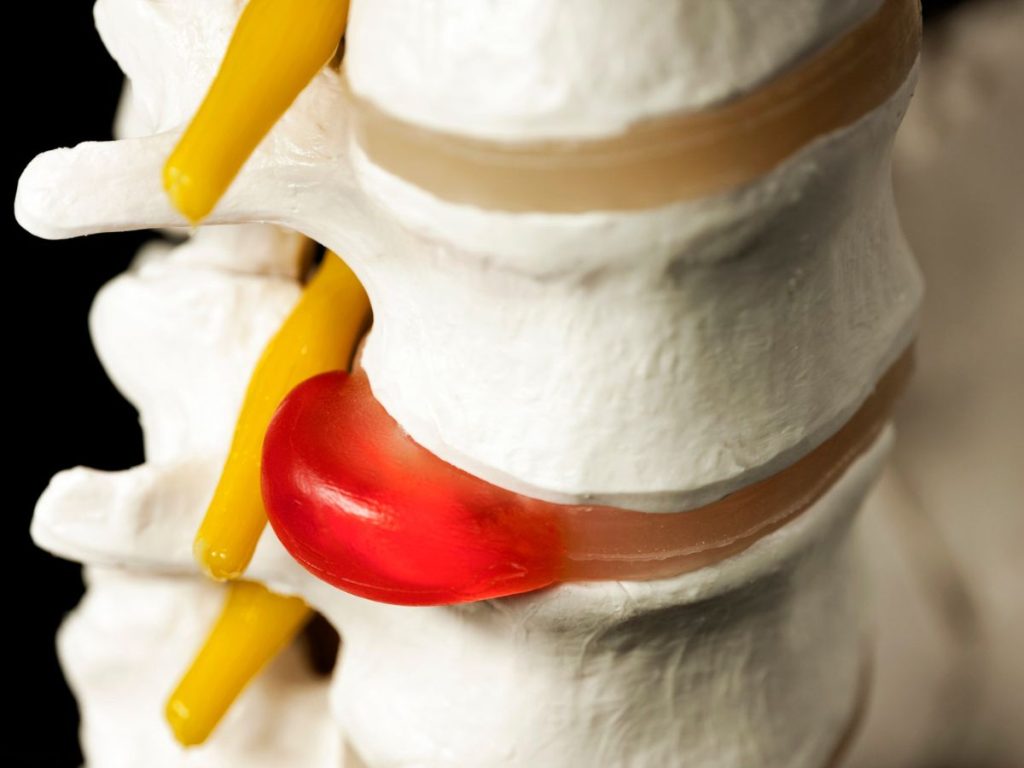
If your pain lingers beyond six weeks, it may be time to talk to your doctor about surgery. Fortunately, herniated disc surgery isn’t what it used to be. Instead of long scars and lengthy hospital stays, most procedures today are minimally invasive, using small incisions and advanced techniques that help you recover faster and with less discomfort.
7. Microdiscectomy: A Proven Solution for Lasting Pain Relief
When a herniated disc puts relentless pressure on a spinal nerve, and conservative care just isn’t cutting it, a microdiscectomy is often the next step. It’s considered the gold standard for treating lumbar disc herniations because it’s both highly effective and minimally invasive. The incision is tiny, often less than an inch, which means less pain, faster recovery, and minimal scarring.
Studies show roughly 90% of patients enjoy lasting relief, resuming light activities within two weeks and work within a month. For those wondering how to heal a herniated disc quickly, this is often the definitive answer when other treatments fail.
8. Lumbar Laminectomy: Relief for Severe Compression
If your spinal canal is so narrow that nerves or the spinal cord are under constant strain, a lumbar laminectomy might be the safest way forward. This surgery removes part (or all) of the lamina, the bony “roof” over the spinal canal, to create more room for your nerves and stop the cycle of pain and numbness.
Traditionally, laminectomies required long hospital stays and extended recovery. But now, the minimally invasive version, done through a smaller incision with far less disruption, has made the process far easier. Many patients return home the same day, and full recovery can take as little as six weeks compared to months for the open version.
9. Endoscopic Minimally Invasive Techniques: High-Tech, Low Impact
For patients who want the least disruption possible, procedures like percutaneous transforaminal endoscopic discectomy (PTED) and the TESSYS method are at the cutting edge of spinal care. Using a tiny endoscope and specialized tools, surgeons access and remove the herniated disc material through an incision smaller than a dime.
The advantages are significant:
- Minimal bleeding and tissue disruption
- Less postoperative pain
- Shorter hospital stays and faster recovery
In fact, research and clinical trials show these approaches treat a herniated disc faster and get patients moving again sooner than even a traditional microdiscectomy.
At Royal Spine Surgery, we specialize in micro endoscopic discectomy, using advanced imaging and surgical techniques for maximum precision.
10. Artificial Disc Replacement: Restoring Motion and Reducing Pain
Artificial Disc Replacement (ADR) is a surgical option designed to relieve pain from a damaged spinal disc without sacrificing your mobility. Unlike fusion, which locks vertebrae together, ADR replaces the damaged disc with a synthetic implant that preserves motion.
Recovery is often faster than many expect. Patients usually spend only a couple of days in the hospital and are back to their normal routines within about three months. For active individuals, it’s one of the most appealing disc protrusion treatment options available.
Not everyone is a candidate, though. Factors like disc location, age, and overall health play a role in determining if ADR is the right fit.
11. Minimally Invasive Foraminoplasty: Small Incision, Big Relief
Among the least invasive spine surgeries available, endoscopic foraminoplasty can be a game-changer for patients whose herniated disc is compressing nerves as they exit the spine. Using a tiny camera and precision tools, the surgeon gently widens the foramina (the small bony tunnels where nerves pass through) to relieve pressure and restore normal function.
Most patients can return to work in one to two weeks, with only mild post-operative discomfort and little downtime, which makes it ideal for those seeking non-surgical treatment for herniated disk without a long recovery.
12. Spinal Fusion: A Lasting Solution for Severe Pain
While spinal fusion is often a last resort, it remains one of the most reliable treatments for a bulging disc in the lower back, especially when all other options fail. By permanently stabilizing the affected vertebrae, it stops the painful motion that keeps nerves irritated and muscles inflamed.
Yes, there’s a trade-off. Fusion limits some flexibility in the treated area, and the recovery process can stretch over several months. But for patients whose pain is unrelenting, who can’t sit, stand, or sleep without constant discomfort, the ability to finally move, rest, and live without agony is often worth that compromise.
If you’re considering minimally invasive fusion surgery in Arizona, our specialists can help you understand what to expect so you can make a fully informed decision.
Finding Relief from Herniated Disc Pain and Getting Your Life Back
At Royal Spine Surgery, we understand how herniated disc pain can upend your life, from work to hobbies to simple daily activities. Our mission is to help you recover quickly and safely, using the least invasive path possible.
Every patient is different, which is why our spine specialists take time to truly understand your symptoms, your lifestyle, and your recovery goals. From conservative therapies and pain-relief treatments to advanced minimally invasive procedures, we’ll guide you through possible options so you can make confident, informed choices about your care.
Whether you’re exploring herniated disc alternative treatments, need effective herniated disc pain management, or are considering surgery, our spine specialists will guide you through every step.
Schedule your consultation today.
Dr. Abdulhamid is also recognized as a leader in Mind & Body Connection and has played a pivotal role in securing FDA clearance for innovative non-invasive mind-body therapies.
Committed to helping patients recover more quickly and achieve a higher quality of life, Dr. Abdulhamid has introduced the following advanced mind-body treatments at Royal Spine Surgery:
- EXOMIND Therapy – a groundbreaking approach supporting mental wellness, especially for individuals managing depression and anxiety.
- Emsculpt Neo – a body-contouring treatment that reduces fat and strengthens muscle, improving both physical function and overall wellbeing.
These innovative therapies are reshaping the patient experience by supporting physical recovery, mental resilience, and emotional wellbeing, offering a truly comprehensive approach to healing.