

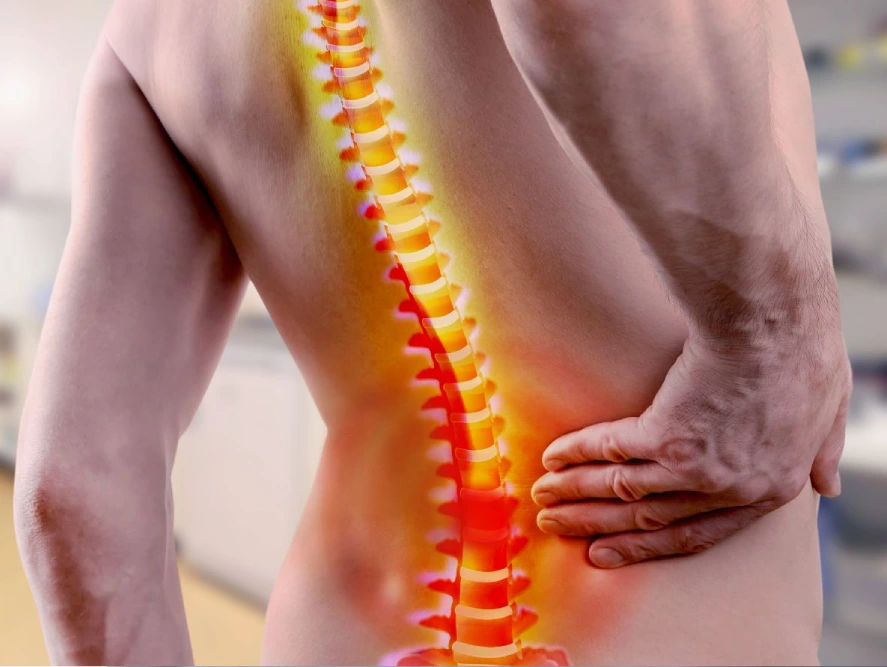
Hearing a spine specialist mention “fusion” as a possible solution to your back pain can spark a swirl of questions. Beyond wondering about the spinal surgery itself, most patients want to know two things immediately: Will this truly make me feel better, and will it last? Or, more specifically, how long do spinal fusions last before problems start to return?
The answer isn’t a quick soundbite. Yes, a well-healed fusion can last for decades, even a lifetime, but there are important caveats. Spinal fusion recovery takes time. The rest of your spine will adapt to new movement patterns, sometimes creating issues years down the road. And not every fusion heals perfectly.
This guide explores every angle: the fusion procedure, spinal fusion surgery time, recovery process and milestones, the healing time for spinal fusion, potential risks, permanent restrictions after spinal fusion, and what life really looks like when the dust settles. It’s designed to give you the nuanced, honest view you need before making your decision.
Why Patients Need Spinal Fusion Surgery
Spinal fusion is a surgical procedure that permanently joins two or more vertebrae, locking them into one stable unit. It’s not performed casually. Surgeons typically recommend it for patients who have exhausted conservative treatments and are still dealing with severe, function-limiting low-back pain caused by:
- Collapsed or degenerated discs (a form of degenerative disc disease)
- Lumbar radiculopathy (nerve compression causing shooting leg pain)
- Scoliosis or other structural spinal deformities
- Vertebral fractures or slippage (spondylolisthesis)
By eliminating painful motion at the problem segment, a spinal fusion can stabilize the spine and relieve pressure on irritated nerves. While it does result in some permanent stiffness, many patients find the trade-off worthwhile.
Curious if you’re a candidate? Learn more from our full guide: When Is Spinal Fusion Used?
How Long Does a Spinal Fusion Surgery Take?
The phrase “spinal fusion” covers a variety of procedures, which is why spinal fusion surgery time can range widely. A single-level lumbar fusion surgery, one of the most common, might take around two to three hours. More complex, multi-level procedures can stretch to five or six hours.
What impacts duration?
- The number of vertebrae fused
- Whether your spine surgeon approaches from the front (anterior), back (posterior), or both
- Your anatomy and overall health
- Whether minimally invasive techniques are used
At Royal Spine Surgery, we frequently perform minimally invasive and microtube-assisted lumbar spinal fusions, which typically shorten operating time and reduce blood loss compared to traditional open methods.
To understand how these approaches differ, read: Spinal Fusion Surgery vs. Microtube Spine Surgery.
What’s the Healing Time for Spinal Fusion Surgery?
If you’re preparing for surgery, one of your biggest questions is likely: How long is the recovery from spinal fusion?
While every case is unique, most patients can expect a staged healing timeline and recovery process:
- Hospital Stay (1–4 days): Pain is controlled, and mobility returns gradually. Nurses and therapists help you walk and sit upright safely.
- Weeks 1–6: The most challenging stretch. Fatigue is common. You’ll avoid bending, twisting, or lifting anything heavier than a gallon of milk.
- Three Months: The fusion begins to set. Many patients return to light work and daily activities with some modifications.
- Six to Twelve Months: The fusion matures and solidifies. During this period, physical therapy is essential for strengthening your core and protecting your spine.
The healing time for spinal fusion can take a full year before you regain your confidence and comfort with everyday movement. Opting for a minimally invasive fusion surgery often speeds recovery by minimizing muscle damage.
How Long Do Spinal Fusions Last?
Here’s the straightforward part: when the bones heal properly, the fused section itself can last a lifetime. Unlike a knee or hip replacement, there’s no prosthetic joint to wear out. The graft bonds with your natural bone, forming a single, permanent structure.
In a Swedish randomized study with a 12.8-year follow-up, about two-thirds (66%) of lumbar fusion patients reported feeling “better or much better” after surgery, compared to roughly one-third (31%) of those treated non-surgically.
But here’s where nuance comes in: the fused segment itself rarely fails; it’s the surrounding vertebrae that take on the burden.
With motion eliminated at the fused level, the discs above and below compensate, often absorbing more stress than they were built for. This extra workload can lead to adjacent segment degeneration (ASD) over time.
Studies paint a clearer picture:
- ASD develops at roughly 6% per year, with 24–36% of patients showing radiographic signs within 10 years.
- A Nature study found 20.6% of one-level lumbar fusion patients developed early-onset ASD within 2 years, particularly those with preoperative slippage or disc distraction over 4 mm.
- Across research, lumbar ASD incidence ranges from 10–30% within five years. But while nearly one in three fusion patients may develop some radiographic ASD within a decade, most never need another operation, especially when they follow a spine-healthy routine and work closely with their care team.
The Long-Term Effects of Spinal Fusion and What They Mean for You

For most patients, life after spinal fusion feels like a major turning point. Pain that once dominated their days is reduced or gone, mobility improves, and everyday tasks become manageable again.
Still, life after spinal fusion surgery doesn’t mean everything goes back exactly to how it was before your spine problems. Understanding what’s normal and what’s off-limits can help you move forward with confidence.
What Life Can Look Like After Spinal Fusion Surgery
- The fused section won’t bend or twist anymore. The fused vertebrae no longer move, which means you might notice changes when bending forward, rotating your torso, or reaching for items on the ground. While this can feel awkward at first, most people adapt and learn new movement patterns that keep them comfortable.
- Low-impact activities remain safe. Walking, biking, swimming, and gentle yoga are encouraged after your surgeon clears you.
- There are permanent restrictions after spinal fusion. Repetitive heavy lifting, constant twisting, or high-impact sports like football or marathon running are usually discouraged to protect your spine long term.
- Extra stress on nearby spinal segments. The vertebrae and discs above and below the fusion may take on more strain to compensate for lost motion. Over time, this can lead to wear or discomfort, though many patients never experience symptoms or require additional treatment.
- Lifestyle habits can make a big difference. Staying active, maintaining a healthy weight, strengthening your core, and avoiding high-impact or repetitive twisting movements can help protect your spine and reduce the risk of future issues.
For most, these adjustments feel like a small trade-off compared to the significant relief and improved quality of life they experience.
Understanding the Risks
Even when outcomes are overwhelmingly positive, spinal fusion is still a major surgery, and it’s important to know about the potential risks. In addition to typical surgical concerns such as infection, bleeding, and anesthesia reactions, there are two possible long-term issues to keep on your radar:
- Pseudoarthrosis (non-union): When the bones don’t fully fuse, leading to ongoing pain or instability.
- Adjacent segment degeneration (ASD): The gradual wear of discs and joints next to the fused area, which may or may not lead to future symptoms.
These complications are far from inevitable, but being aware of them helps you set realistic expectations. At Royal Spine Surgery, our specialists guide every patient through the full spectrum of spinal fusion surgery risks and recovery, so you’re fully informed before, during, and after treatment.
Spinal Fusion Surgery and Life Expectancy
For most people, life expectancy after spinal fusion is unchanged, and in many cases, their quality of life is improved. By reducing chronic pain and restoring your ability to stay active, the procedure can enhance overall health and longevity.
The key is protecting your spine after surgery:
- Stay at a healthy weight.
- Build core strength with targeted exercises.
- Avoid movements or sports that overstrain your back.
- Address new symptoms promptly rather than pushing through.
Minimally Invasive Fusion Surgery and Its Benefits
If you’re weighing your options, minimally invasive spinal fusion surgery can be a game-changer compared to traditional open procedures. Techniques like microtube-assisted fusion use much smaller incisions and specialized tools to access the spine, minimizing disruption to muscles and surrounding tissues.
This approach offers several key benefits:
- Less surgical trauma: Smaller incisions and reduced muscle cutting mean less bleeding, lower infection risk, and fewer complications.
- Shorter recovery time: Because there’s less tissue damage, patients often experience less post-operative pain and can return to work or light activity sooner.
- Preservation of natural motion: By limiting collateral damage, minimally invasive procedures help maintain strength and flexibility in the spine, lowering your risk of problems like adjacent segment degeneration (ASD) in the future.
- Smaller scars and reduced hospital stays: Many patients go home the same day or within 24–48 hours.
For patients who qualify, minimally invasive lumbar fusion can deliver the same stability and long-term relief as traditional fusion, but with a smoother and often faster path back to normal life. At Royal Spine Surgery, our specialists evaluate every case carefully to determine if this advanced approach is right for you.
Considering Spinal Fusion? Let’s Talk
At Royal Spine Surgery, our spine surgeons specialize in minimally invasive fusion procedures that maximize outcomes and reduce recovery time. Whether you’re struggling with degenerative disc disease, low back pain, or another issue, we’ll help you determine the best path forward and prepare you for every step: the surgery, the recovery, and life years down the road.
Chronic pain doesn’t have to define your future. If you’re wondering if spinal fusion is right for you, schedule a consultation with Royal Spine Surgery and explore the solutions designed to keep your spine healthy for the long haul.