


Back pain often shows up unannounced: a sudden twinge after lifting something heavy, a dull ache from sitting too long, or a sharp jolt while pushing through your workday. And when it strikes, should you grab an ice pack or fire up the heating pad?
The truth is, both cold and heat have their time and place. Understanding how ice and heat for back pain work, and when to use each, can be the difference between quick relief and lingering discomfort. Let’s break it down so you can get back to moving, sitting, lifting, or lounging pain-free.
Understanding Back Pain Types and Causes
Before diving into heat and cold therapy, it helps to understand the type of back pain you’re experiencing. Generally, back pain falls into two categories:
- Acute back pain: Sudden onset, often due to injury, muscle strain, or trauma. Usually lasts a few days to weeks.
- Chronic back pain: Persistent pain lasting more than 3 months, often related to arthritis, degenerative disc disease, ongoing muscle tension, or a symptom of the aging spine.
Different types of back pain may respond better to specific treatments. This is why knowing when to use heat or cold for back pain can make a huge difference in your recovery.
How Cold Therapy Helps with Back Pain
Cold therapy, also known as cryotherapy, involves applying ice or cold packs to the affected area. Published studies show that it provides significant relief, especially when applied within 24–48 hours following the onset of pain.
Why Use Ice for Back Pain?
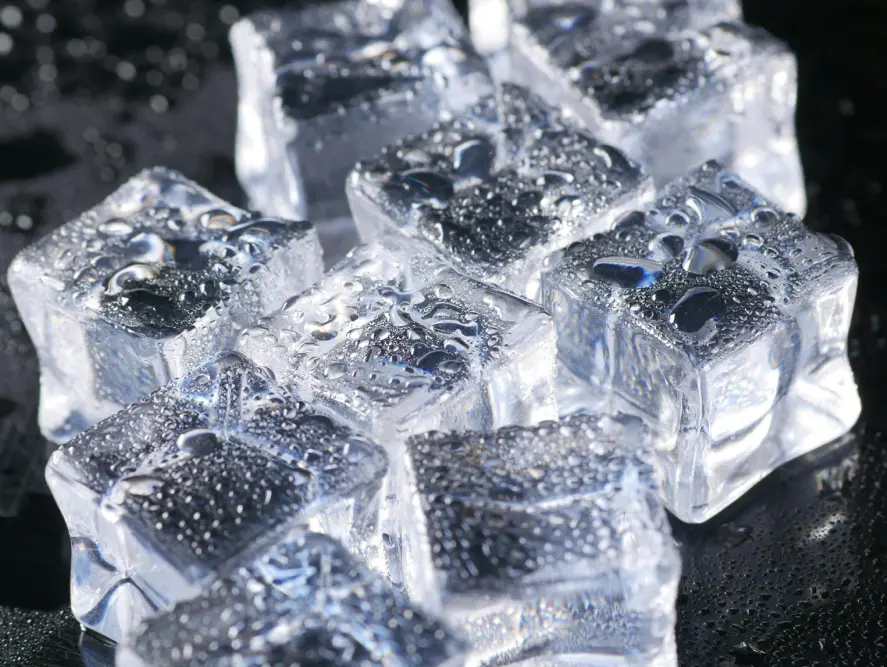
When you injure your back, whether from lifting something incorrectly, twisting suddenly, or overexerting during physical activity, your body responds with inflammation. This natural reaction causes swelling, stiffness, and discomfort. That’s where cold therapy comes in. Here’s why it’s effective:
- Reduces inflammation: Ice causes blood vessels to constrict, slowing circulation in the affected area. This helps limit swelling, redness, and internal bleeding, particularly within the first 24 to 48 hours after the injury.
- Numb pain: The cold helps dull nerve activity, reducing the transmission of pain signals to the brain and offering quick relief.
- Minimizes muscle spasms: Injuries often trigger involuntary muscle contractions. Cold therapy can calm these spasms and ease tension, making it easier to move without pain.
- Protects tissues from further damage: By slowing metabolic activity in the area, ice can help prevent additional injury while the body begins to heal.
How Long Should I Ice My Back?
Applying ice for the right amount of time is crucial. So, how long should you ice your back? Experts recommend:
- Use an ice pack or a bag of frozen peas wrapped in a thin towel.
- Apply to the affected area for 10 to 15 minutes.
- Repeat every 2 to 3 hours during the first 48 hours after injury.
- Never apply ice directly to the skin to avoid frostbite or irritation.
When Is Cold Therapy Best?
Cold therapy is most effective in the following situations:
- Sudden injuries such as muscle strains, ligament sprains, or trauma from lifting or twisting.
- Swelling and inflammation that develop within the first 24 to 48 hours after injury.
- Acute flare-ups of chronic back conditions, including arthritis or disc-related pain.
- Tender, hot, or visibly swollen areas, where reducing inflammation is the top priority.
- Post-activity soreness occurs when muscles are overused or irritated after physical exertion.
- Pain relief through numbing the area and slowing nerve impulses to reduce discomfort.
How Heat Therapy Helps with Back Pain
Heat therapy is the use of warm compresses, heating pads, or warm baths to soothe the back. It is widely recognized as an effective treatment for musculoskeletal pain, including back pain and is typically more effective for chronic pain or muscle stiffness rather than new injuries.
A study published in the Journal of Bodywork and Movement Therapies highlights that heat therapy is commonly recommended for managing lower back pain (LBP) and neck pain (NP), with 85% of experts endorsing its use.
Why Use Heat on Back Pain?
Heat therapy is a trusted, non-invasive way to manage and relieve various types of back pain, especially when stiffness or muscle tension is involved. Here’s how it works and why it’s so effective:
- Increases blood flow: Applying heat dilates blood vessels, which improves circulation. Better blood flow means more oxygen and essential nutrients reach injured or tight muscles, helping to repair damaged tissues and reduce discomfort.
- Relaxes muscles and reduces spasms: Heat calms the nervous system, encouraging muscle fibers to relax and loosen. This can help reduce painful spasms and assist muscles in releasing tension more quickly.
- Improves flexibility and range of motion: Warm muscles are more pliable and less prone to strain. By applying heat on back pain before stretching or physical activity, you can help prevent stiffness and make movement easier and less painful.
- Enhances comfort and promotes healing: The soothing effect of heat can ease pain signals sent to the brain, providing comfort and promoting overall relaxation, which is especially helpful if stress contributes to your back pain.
How Long Should I Use Heat on My Back?
To get the best benefits from heat therapy:
- Use a heating pad or warm towel.
- Apply heat for 15 to 20 minutes at a time.
- You can repeat the treatment multiple times a day, but always allow your skin to cool between sessions.
- Avoid overheating the skin to prevent burns.
When Is Heat Therapy Best?
Heat therapy is most effective in the following situations:
- Chronic back pain or stiffness that develops gradually over time.
- Muscle soreness is caused by poor posture, overuse, or repetitive daily movements.
- Tight or tense muscles that need loosening to improve flexibility and comfort.
- Before physical activity to warm up the muscles and reduce the risk of injury.
- Stress-related tension that contributes to or worsens back pain.
- Improving blood circulation, which helps bring oxygen and nutrients to sore or damaged tissues.
- Supporting relaxation, which can ease both physical discomfort and mental stress.
Can Heat Make Back Pain Worse?
While heat therapy has many benefits, there are times when heat can make back pain worse. Using heat too soon after an injury can increase inflammation and swelling, prolonging pain and recovery.
When to avoid heat treatment for back pain:
- Within the first 48 hours after a new injury or trauma.
- If the skin is broken or infected.
- When swelling is visibly present.
If you are uncertain whether heat treatment for back pain will help or harm, it’s best to start with cold therapy or consult a healthcare professional.
Combining Ice and Heat for Back Pain: The Best of Both Worlds
Many people find that combining hot and cold therapy provides the most effective relief. Alternating between ice and heat can reduce inflammation while improving circulation and muscle relaxation.
How to Alternate Ice and Heat
- Start with ice treatment for 10 to 15 minutes to reduce swelling.
- Follow with heat therapy for 15 to 20 minutes to relax muscles.
- Repeat the cycle up to 3 times per day.
- Always allow your skin to return to normal temperature between applications.
This method is particularly beneficial for alleviating back pain caused by both inflammation and muscle tension.
Safety Tips for Using Ice and Heat for Back Pain
Using ice or heat for upper back pain and lower back pain is generally safe when done correctly. Here are some important safety tips:
- Protect your skin: Use a cloth or towel barrier between your skin and ice/heat source.
- Limit exposure time: Avoid using ice or heat for longer than recommended to prevent skin damage.
- Avoid heat if swelling is present: Heat can worsen inflammation.
It’s important to consult your doctor if your back pain persists for more than a few days without improvement, as this could indicate a more serious underlying issue.
You should also seek medical advice if you have health conditions such as diabetes or circulatory problems, which can affect how your body responds to cold or heat therapy. Additionally, symptoms like numbness, weakness, or tingling in your back, legs, or feet may be a sign of nerve involvement or a more complex spinal issue that requires professional evaluation and treatment.
When to Seek Professional Back Pain Treatment
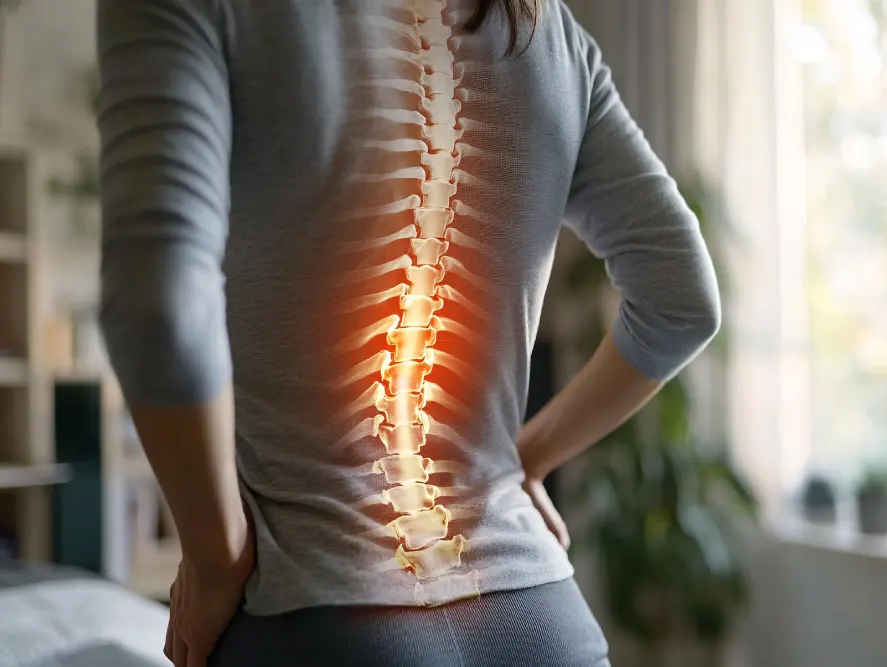
If your back pain does not improve with home treatments like heat and cold therapy, or if your pain is severe, persistent, or accompanied by other symptoms such as numbness or weakness, it’s time to seek professional care.
Healthcare professionals can offer:
- Physical therapy and tailored exercises.
- Medications or injections.
- Imaging tests to identify underlying causes.
- Advanced treatments such as chiropractic care, acupuncture, or surgery, if necessary.
Ice or Heat for Upper Back Pain?
Choosing between ice and heat depends on the type of back pain you have and the timing of your symptoms. In general:
- Use ice treatment for acute injuries and inflammation.
- Use heat therapy to alleviate chronic pain, muscle tightness, and stiffness.
- Consider alternating hot and cold therapy for combined relief.
Remember, improper use of heat or cold can worsen symptoms, so always listen to your body and adjust treatment accordingly.
Ready to Find Lasting Relief?
If you’re tired of struggling with back pain and want personalized guidance on safe and effective treatments, our team at Royal Spine Surgery is here to help. Our team specializes in diagnosing and treating back pain with the latest evidence-based approaches.
Don’t let discomfort hold you back, expert help is just a call or click away.Contact us today.