
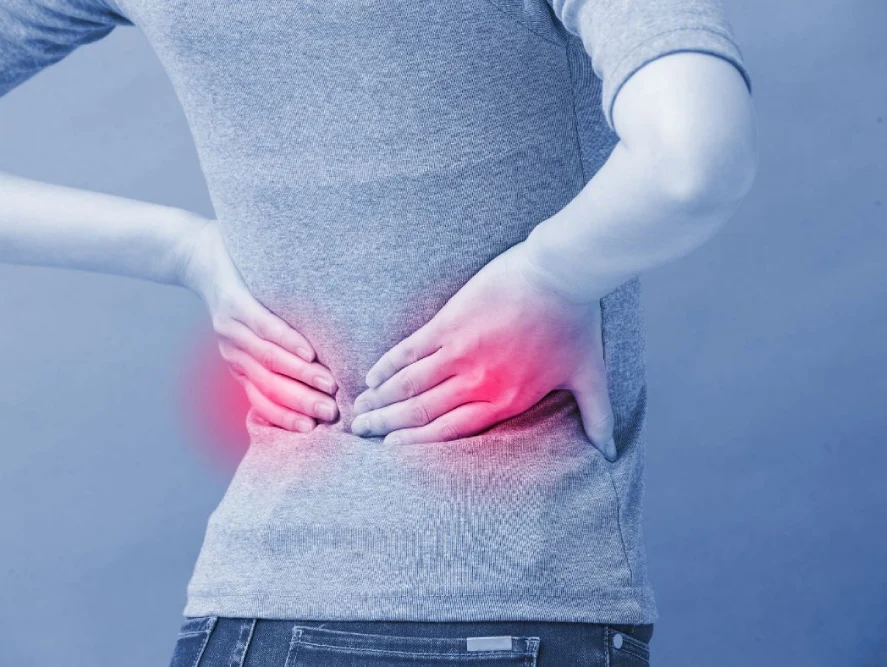
If you’ve been struggling with back pain, numbness, or weakness in your legs, you might be wondering if something more serious is going on. The thing is, these could be signs of spinal stenosis—a common condition where the spaces in your spine narrow, putting pressure on your nerves and causing discomfort.
But while this may sound worrying, it’s important to know that many people live full, active lives with spinal stenosis. With the right strategies and knowledge, you can manage the symptoms, stay pain-free, and keep doing the things you love.
In this guide, we’ll help you understand what is spinal stenosis and how is it treated, how to recognize the signs, and share tips for staying active and healthy.
What is Spinal Stenosis?
Spinal stenosis is a narrowing of the spinal canal, which puts pressure on the nerves running through the spine. This narrowing can occur anywhere along the spine but is most commonly seen in the lower back (lumbar stenosis) or neck (cervical stenosis). The condition can lead to pain, numbness, and weakness, particularly in the legs or arms.
How common is spinal stenosis?
A study published in JAMA Network highlights that lumbar spinal stenosis affects an estimated 11% of older adults in the U.S..
Approximately 21% of people over the age of 60 have lumbar spinal stenosis, a common type of the condition, confirmed by radiological screening. This makes it one of the most frequent causes of back pain in older adults.
Signs and Symptoms of Spinal Stenosis
The signs of spinal stenosis can vary depending on the location and severity of the condition. Common symptoms include:
- Pain in the lower back or neck
- Numbness or weakness in the legs or arms
- Difficulty walking or maintaining balance
It’s important to recognize that these symptoms can worsen over time, especially with physical activity.
Who is at Risk for Spinal Stenosis?
As you might expect, spinal stenosis is more common in older individuals. Age-related wear and tear, along with other factors like arthritis or spinal injuries, can increase the risk.
In addition to aging, genetics can also play a role. If you have a family history of spinal issues, you may be at a higher risk. Even though spinal stenosis becomes more prevalent with age, it can also affect younger people, particularly those who have a congenital (present from birth) narrowing of the spinal canal.
Managing the Pain: What Are Your Options?
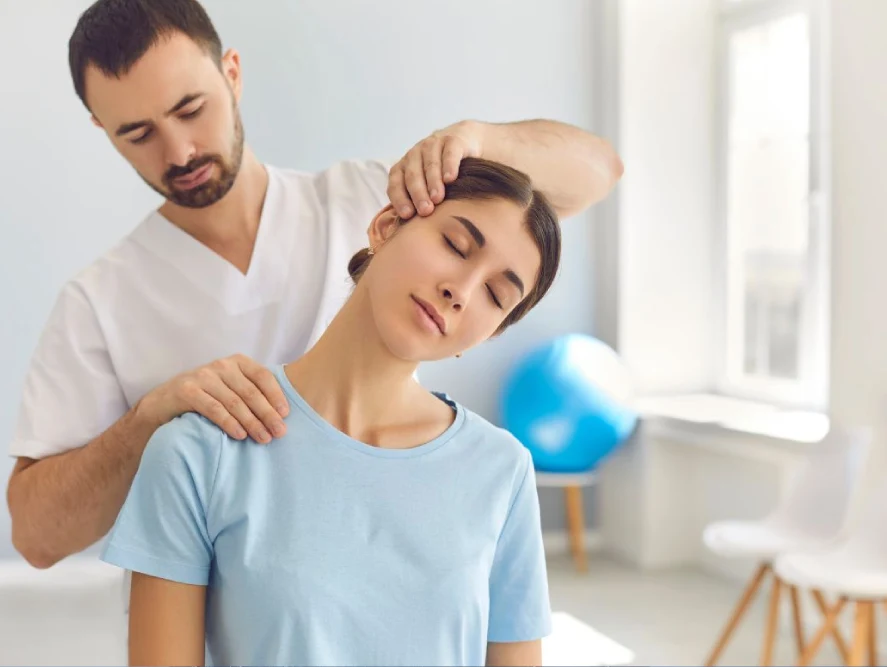
For many people living with spinal stenosis, the pain can be a significant challenge. But there are various ways to manage and alleviate symptoms. Popular approaches to spinal stenosis pain relief may involve:
- Physical therapy to strengthen muscles and improve flexibility
- Medications, such as non-steroidal anti-inflammatory drugs (NSAIDs), to reduce pain and inflammation
- Lifestyle changes, such as losing weight or modifying activity levels to avoid aggravating the condition
It’s important to talk to a healthcare provider to determine the best course of action for your specific condition.
Treatment Options: Is Surgery the Answer for Spinal Stenosis?
When conservative treatments, like physical therapy or medications, don’t provide enough relief, many people wonder, what is the surgery for spinal stenosis? Surgery is usually considered only for more severe cases where pain is debilitating or mobility is significantly affected. But while effective, it’s important to remember that surgery is not always necessary, and many individuals find relief through non-invasive treatments.
There are also minimally-invasive surgical options available for individuals who don’t want the downtime associated with more extensive surgery. It’s important to discuss all available options with a healthcare provider to determine the best approach for your specific needs, taking into account the potential benefits, risks and your overall health.
How is Spinal Stenosis Diagnosed?
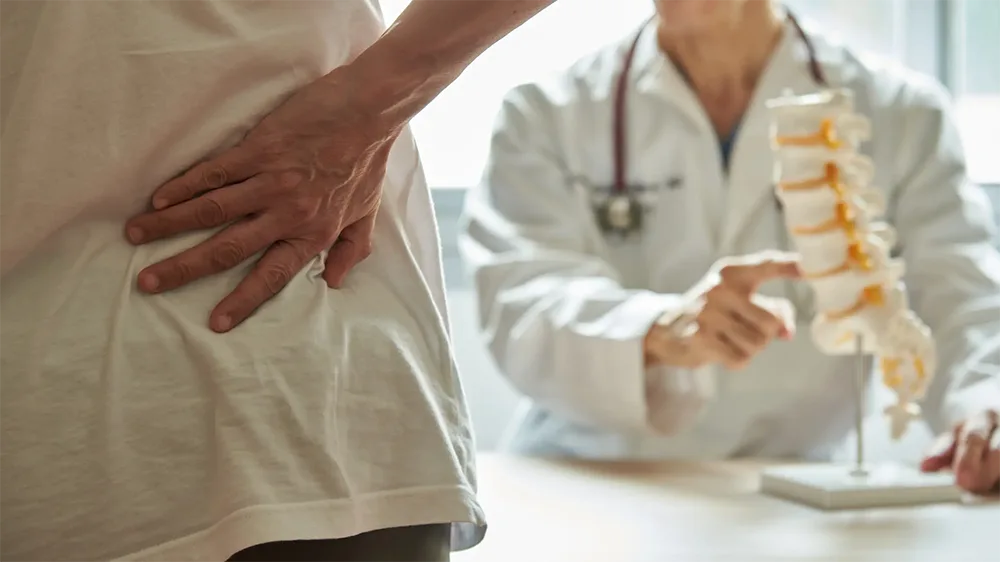
Diagnosing spinal stenosis typically involves a combination of medical history, physical exams, and imaging tests. If you are experiencing symptoms of spinal stenosis, your doctor may recommend an MRI or CT scan to get a detailed image of the spine. These tests can help identify the exact location and extent of the narrowing, enabling a more accurate treatment plan.
Who Treats Spinal Stenosis?
If you suspect you may have spinal stenosis, consulting a specialist—such as a neurologist, a spine specialist, or an orthopedic spine surgeon—is the best next step. These experts specialize in diagnosing and treating spinal conditions, offering personalized treatment options to help you regain mobility and improve your quality of life.
Living with Spinal Stenosis: Its Impact on Daily Life
Living with spinal stenosis can significantly impact your daily life. As the condition progresses, it may become harder to perform everyday tasks like walking, bending, or standing for long periods. Some people experience difficulty sitting for extended periods or may feel the need to lean forward to relieve pressure on the spine.
Maintaining an active lifestyle can help mitigate some of the negative effects. Staying active with low-impact exercises, such as swimming or walking, can strengthen the muscles surrounding the spine, improving mobility and reducing pain.
Lifestyle Modifications: Simple Adjustments for Lasting Relief
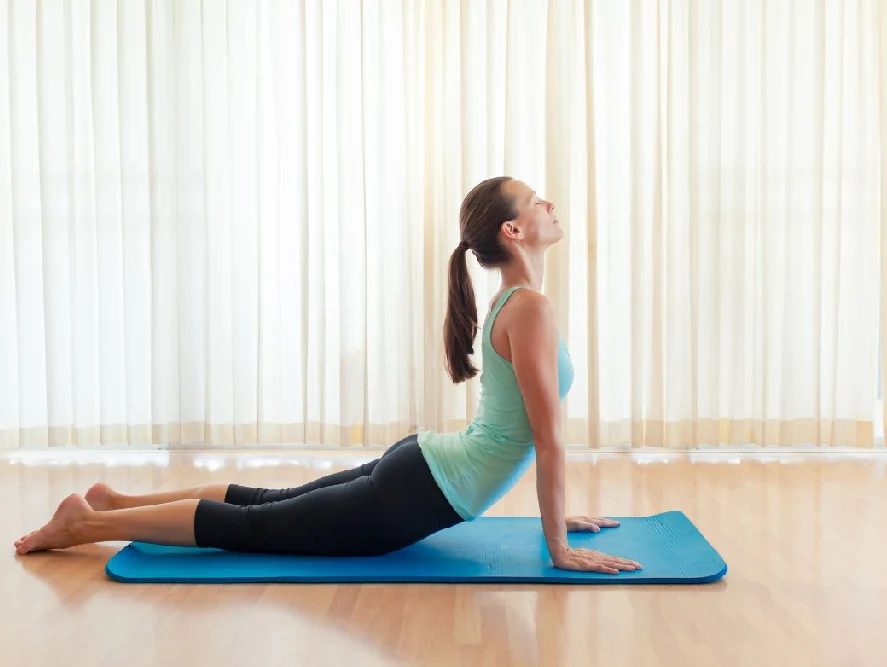
Living with spinal stenosis often involves more than just medical treatments—it also requires making mindful adjustments to your daily life. While these changes might seem small, they can make a significant difference in managing symptoms and improving your overall comfort. Here are some practical lifestyle modifications to consider:
- Take Frequent Breaks: If you spend long periods sitting, make sure to get up regularly, stretch, and move around. This helps relieve pressure on your spine and prevents stiffness.
- Use Assistive Devices: Devices like canes or walkers can provide added stability and prevent falls, helping you stay mobile and independent while minimizing the risk of further injury.
- Wear Proper Footwear: Shoes with good arch support can reduce strain on your lower back, especially when walking or standing for extended periods.
- Exercise Regularly: Low-impact activities such as swimming, walking, or cycling are excellent for maintaining spinal health, improving strength, and increasing flexibility without putting added stress on your spine.
- Stretching: Gentle stretches for your back and legs can help relieve tightness, improve flexibility, and provide much-needed relief from discomfort.
- Mind Your Posture: Being mindful of your posture—whether sitting, standing, or walking—can significantly reduce pressure on your spine and prevent pain flare-ups.
- Weight Management: Maintaining a healthy weight reduces the amount of stress on your spine, helping to alleviate pain and prevent further complications.
By incorporating these simple yet effective modifications into your daily routine, you can improve your quality of life and better manage the challenges of living with spinal stenosis.
Take Control of Your Comfort
Understanding what spinal stenosis is and how it affects your daily life is just the beginning of your journey toward relief. The next crucial step is seeking expert care tailored to your needs.
Whether you’re starting to notice symptoms or have been managing the condition for years, getting the right treatment can make all the difference in restoring your quality of life.
If you’re ready to explore your options for spinal stenosis pain relief or want a personalized treatment plan that fits your unique needs, Royal Spine Surgery is here to help. Don’t let spinal stenosis hold you back—take the first step toward renewed mobility and a life free from constant pain.