
A dull ache in your lower back turns into a sharp, shooting pain that runs down your leg. Sitting too long makes it worse, standing feels unbearable, and even simple movements—like bending down to tie your shoes—become a struggle. If this sounds familiar, you’re not alone. Sciatica affects millions of people, making everyday tasks frustrating and painful.
This condition occurs when the sciatic nerve, which runs from the lower back down each leg, becomes compressed or irritated. The result? Pain, numbness, tingling, and sometimes even muscle weakness can make it hard to go about your day.
What Does Sciatica Feel Like?
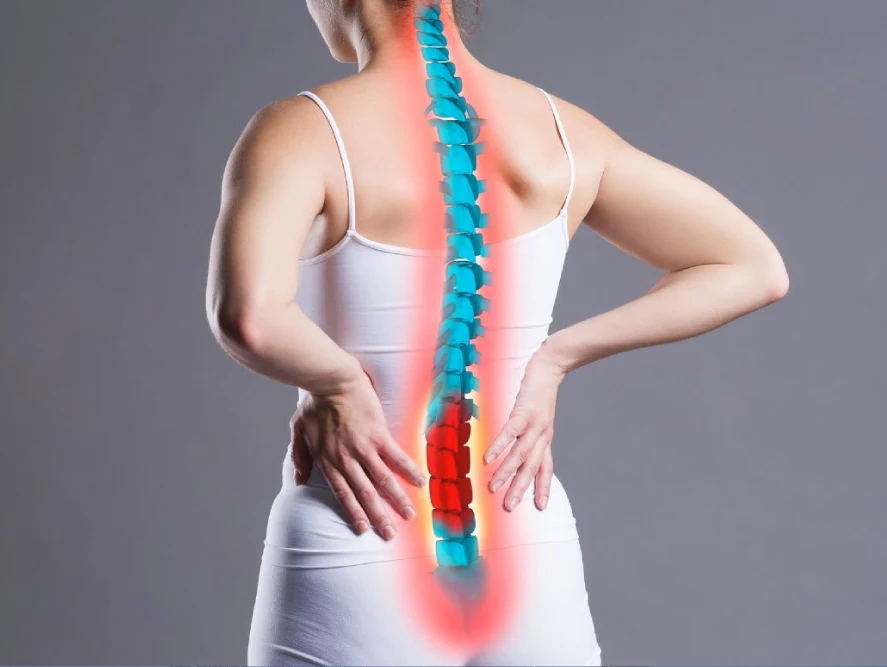
Sciatica typically presents as pain that radiates along the sciatic nerve, which runs from your lower back, through your hips and buttocks, and down each leg. The pain can range from mild to severe and may feel sharp, burning, or electric-like. It is often described as a shooting or stabbing pain that worsens when sitting, coughing, or sneezing.
In addition to pain, sciatica can cause numbness, tingling, or weakness in the affected leg or foot. Some people experience muscle weakness in the leg or difficulty moving it. The pain may be limited to one side of the body, and symptoms tend to worsen with prolonged sitting or standing. In more severe cases, sciatica can lead to difficulty walking or even loss of bladder or bowel control, which requires immediate medical attention.
The intensity and specific symptoms of sciatica vary from person to person, and the condition may improve or worsen over time, depending on the cause and treatment.
Sciatica Treatment Options: How to Relieve Sciatic Nerve Pain
Whether your symptoms are mild and occasional or severe and persistent, finding an effective treatment for sciatic pain is key to getting back to the activities you love.
The good news is that there are many sciatica treatment options, ranging from simple at-home remedies to advanced medical procedures. This guide explores nine proven treatments to help you understand your choices and find the best path to relief.
1. Physical Therapy for Sciatica: The Foundation for Recovery

Physical therapy (PT) is a cornerstone of effective sciatica treatment, focusing on targeted exercises to improve flexibility, strengthen muscles, and correct posture. By addressing underlying issues such as muscle imbalances, spinal misalignment, or poor movement patterns, PT helps alleviate pressure on the sciatic nerve, reducing pain and preventing future flare-ups.
Key Physical Therapy Exercises for Sciatica Relief
A well-structured PT program includes exercises that support the lower back, improve core stability, and enhance overall spinal health:
- Glute Bridge – Strengthens the lower back and gluteal muscles, providing better support for the lumbar spine.
- Lying Knee-to-Chest Stretch – Gently stretches the lower back and hip muscles, helping to ease sciatic nerve tension.
- Clamshell – Activates the hip abductors and external rotators to enhance pelvic stability and reduce strain on the lower spine.
- Bird-Dog – Engages the abdominal and back muscles to improve core strength and balance.
- Cobra Stretch – Encourages spinal extension, which may help relieve pressure on the sciatic nerve.
For those seeking a non-surgical treatment for sciatica, physical therapy offers a long-term solution by addressing the root cause rather than just managing symptoms. Working with a licensed physical therapist ensures proper technique and maximizes the benefits of these exercises.
2. Sciatica Medications: Targeted Relief for Sciatica Pain

Medications play a crucial role in managing sciatica symptoms, providing immediate relief for sciatica pain, and enabling individuals to participate in rehabilitative therapies more comfortably. Depending on the severity of the condition, both over-the-counter (OTC) and prescription medications may be used to reduce inflammation, ease nerve pain, and improve mobility.
Common Sciatica Medications
- Nonsteroidal Anti-Inflammatory Drugs (NSAIDs) – Ibuprofen and naproxen help reduce inflammation and alleviate pain, making them a first-line treatment for sciatica.
- Muscle Relaxants – Often prescribed to relieve muscle spasms that can worsen sciatic nerve compression.
- Antidepressants – Certain tricyclic antidepressants and serotonin-norepinephrine reuptake inhibitors (SNRIs) have been shown to help manage chronic nerve pain.
- Anti-Seizure Medications – Drugs like gabapentin and pregabalin may help treat sciatica by reducing nerve-related pain.
- Opioids – Reserved for severe cases where other treatments have failed, due to their risk of dependency and side effects.
Selecting the appropriate sciatica nerve pain medication depends on various factors, including the intensity of pain, medical history, and potential side effects. Consulting with a healthcare provider is essential to ensure safe and effective pain management tailored to your individual needs.
3. Chiropractic Care: Restoring Spinal Alignment

Chiropractic care is a non-invasive treatment for sciatic pain that focuses on improving spinal alignment to reduce nerve irritation. Misalignments in the spine can contribute to inflammation, pain, and muscle spasms, all of which can aggravate sciatic nerve compression. Through manual spinal manipulation, licensed chiropractors help restore proper movement and function, relieving discomfort and promoting natural healing.
Key Benefits of Chiropractic Care
- Pain Reduction – Correcting spinal misalignments helps alleviate pressure on the sciatic nerve, reducing pain and discomfort.
- Improved Mobility – Enhancing spinal function increases range of motion in the lower back and hips.
- Drug-Free & Non-Invasive – Chiropractic care provides an alternative to medication-based treatments, making it an attractive option for those seeking non-surgical treatment for sciatica.
Chiropractic adjustment is a natural therapy for sciatic nerve pain and may offer significant relief without the need for medication or surgery. According to the Cleveland Clinic, chiropractors use spinal adjustments to restore movement and decrease pain, noting that spinal manipulation is as safe and effective as standard treatments for low back pain.
4. Heat and Cold Therapy: A Simple Yet Effective Treatment Option for Sciatica

For those seeking sciatica pain quick relief, heat and cold therapy offers an accessible and effective solution. This method is particularly beneficial during acute flare-ups, helping to reduce inflammation, ease muscle tension, and improve circulation.
How to Apply Heat and Cold Therapy Effectively
- Cold Therapy (First 48 Hours) – Applying an ice pack during the initial phase of a sciatica flare-up can help reduce swelling and sharp pain. Use a cold pack wrapped in a towel and apply it to the affected area for 15–20 minutes, several times a day (Cleveland Clinic).
- Heat Therapy (After 2–3 Days) – Once the initial inflammation subsides, switching to heat therapy can help relax tight muscles and improve blood flow. Use a heating pad or warm compress for 20 minutes at a time.
- Alternating Therapy – Some individuals find relief by alternating heat and cold treatments, which helps reduce stiffness while continuing to manage inflammation.
The Mayo Clinic advises placing an ice pack on the painful area multiple times a day for the first two days, followed by heat therapy to support the healing process. This simple, drug-free approach can complement other sciatica treatment options, offering relief without the need for medication or invasive procedures.
5. Epidural Steroid Injections: Targeted Relief for Sciatica

For persistent sciatica pain that does not respond to non-surgical treatments, epidural steroid injections (ESIs) may provide targeted relief. This procedure involves injecting corticosteroid medication into the epidural space around the spinal cord to reduce inflammation and alleviate nerve pain.
How Effective Are Epidural Steroid Injections?
- Short-Term Relief: Research indicates that ESIs can provide temporary relief, typically lasting between two to six weeks.
- Variable Outcomes: The level of pain relief varies from patient to patient. While some individuals experience significant improvement, others may only notice minor pain reduction.
- Limited Long-Term Benefits: According to a review published in the American Academy of Neurology, ESIs may not significantly improve long-term outcomes or reduce the need for surgery.
Potential Risks and Considerations
While generally safe and well-tolerated, ESIs do carry some risks, including:
- Infection – Though rare, there is a small risk of infection at the injection site.
- Bleeding – More likely in individuals with bleeding disorders or those taking blood thinners.
- Nerve Damage – Although uncommon, improper needle placement can lead to nerve injury.
- Hormonal Side Effects – Repeated corticosteroid use can affect hormone levels, potentially causing weight gain, mood changes, or increased blood sugar.
If pain persists or worsens, a combination of physical therapy, medication, and lifestyle changes may be necessary. Discussing the risks and benefits with a healthcare provider can help determine if ESIs are the best treatment for sciatica in your case.
6. Acupuncture: A Traditional Approach to Sciatica Relief

Acupuncture, a fundamental practice in traditional Chinese medicine (TCM), has been explored as a treatment for sciatica pain relief. This technique involves inserting thin, sterile needles into specific points on the body to stimulate nerves, muscles, and connective tissues, potentially promoting natural pain relief and healing.
How Does Acupuncture Help with Sciatica?
The theory behind acupuncture is that it helps restore energy balance (Qi) while also stimulating the body’s natural ability to reduce inflammation and relieve nerve pain. While some individuals experience significant pain reduction, responses to acupuncture vary.
Effectiveness of Acupuncture for Sciatica
- Pain Reduction: Several studies suggest that acupuncture may help reduce lower back and nerve pain associated with sciatica. A review published in the National Library of Medicine found that acupuncture provided greater relief for leg pain and lumbago compared to NSAIDs such as ibuprofen, meloxicam, and diclofenac
- Individual Responses Vary: While some individuals report noticeable improvements in pain and mobility, others may experience only minimal relief or temporary benefits.
- May Improve Circulation and Reduce Muscle Tension: Acupuncture is believed to increase blood flow to the affected areas, helping to relax tight muscles and reduce nerve compression.
Key Considerations Before Trying Acupuncture
Acupuncture is a generally safe and non-invasive treatment for sciatica when performed by a trained professional. It is often most effective when integrated with other therapies, such as physical therapy, medication, or lifestyle adjustments.
While many individuals find relief through acupuncture, results can vary, and some may experience mild soreness or bruising at the needle sites. Consulting a healthcare professional beforehand can help determine if acupuncture is a suitable addition to your sciatica pain management plan.
7. Massage Therapy: Relieving Muscle Tension and Supporting Sciatica Recovery

Massage therapy is a natural, non-invasive approach that can help alleviate sciatica pain by reducing muscle tension, improving circulation, and promoting relaxation. When performed correctly, it may relieve pressure on the sciatic nerve, ease discomfort, and enhance overall mobility.
How Massage Therapy Helps with Sciatica
- Muscle Relaxation: Sciatica often causes tightness in the lower back, hips, and legs, which can worsen nerve compression. Massage therapy helps release tension, reducing strain on the sciatic nerve and improving flexibility.
- Improved Circulation: The increased blood flow from massage can help reduce inflammation, accelerate healing, and flush out toxins that may contribute to pain.
- Pain Modulation: Massage stimulates the release of endorphins, the body’s natural painkillers, which can provide temporary relief from sciatica symptoms.
Benefits of Massage Therapy
- Targeted Pain Relief: A skilled therapist can focus on key muscle groups to alleviate sciatic nerve irritation. Techniques such as deep tissue massage, myofascial release, and trigger point therapy can be particularly effective.
- Stress and Tension Reduction: Chronic pain can lead to emotional stress and sleep disturbances. Massage promotes relaxation, which may improve sleep quality and overall well-being.
For the best results, massage therapy should be integrated with physical therapy, stretching, and other complementary treatments. Choose a licensed massage therapist with expertise in nerve-related pain to ensure safe and effective treatment.
While some individuals may experience mild soreness afterward, open communication with your therapist about pressure levels can enhance comfort and effectiveness. If you have a spinal condition or other underlying health concerns, consult a healthcare provider beforehand to identify what is the best treatment for sciatica.
8. Yoga and Stretching: Boosting Flexibility and Strength for Sciatica Relief

Incorporating yoga and targeted stretching exercises into your daily routine can provide significant relief from sciatica symptoms. By improving flexibility, strengthening muscles, and promoting proper posture, yoga and stretching can help reduce the pressure on the sciatic nerve, leading to less pain and improved mobility.
How Yoga and Stretching Help with Sciatica
- Flexibility: Yoga and stretching exercises help loosen tight muscles in the lower back, hips, and legs, which are often the root cause of sciatica pain.
- Strengthening: Yoga emphasizes strength in key muscle groups, especially the core and lower back muscles, which provide support to the spine.
- Posture Improvement: Yoga helps correct alignment and encourages a balanced stance, which reduces the risk of further irritation to the sciatic nerve.
Recommended Exercises to Reduce Sciatica Pain
- Knees-to-Chest Pose: Lying on your back, gently pull your knees toward your chest to stretch the lower back and piriformis muscle.
- Cobra Pose: While lying face down, press your palms into the floor and lift your chest, arching your lower back to relieve pressure on the sciatic nerve.
- Cat-Cow Pose: On all fours, alternate between arching and rounding your back to improve spinal flexibility and reduce nerve tension.
Before beginning any new exercise program, it’s important to consult with your healthcare provider to ensure that yoga and stretching are appropriate for your specific condition. In some cases, certain poses or stretches may need to be modified or avoided depending on the severity of your sciatica or other health conditions.
9. Surgical Interventions: A Last Resort for Severe Sciatica

When conservative treatments fail to provide relief from sciatica symptoms, surgical intervention may become a necessary option to alleviate pressure on the sciatic nerve, reduce pain, and improve overall function.
Surgery is typically recommended for individuals experiencing severe, persistent pain that significantly affects daily activities or when neurological symptoms, such as weakness or loss of bladder/bowel control, arise.
Type of Sciatica Surgery
For individuals with debilitating sciatica that impairs mobility and quality of life, surgery may provide long-term relief and a chance to regain normalcy.
Microdiscectomy: This minimally invasive spine surgery procedure involves removing a portion of a herniated disc that is pressing on the sciatic nerve. A small incision allows access to the damaged disc material, which is then extracted to relieve nerve compression. Studies have demonstrated that microdiscectomy offers a high success rate in treating sciatica caused by lumbar disc herniation.
Laminectomy: For sciatica caused by spinal stenosis, a laminectomy may be necessary. This procedure removes part or all of the lamina, the back portion of a vertebra, to create more space for the nerves. This additional space alleviates pressure on the sciatic nerve, helping to reduce pain and discomfort.
Foraminotomy: This surgical intervention enlarges the foramen, the opening through which nerve roots exit the spine, to relieve nerve compression. Foraminotomy is particularly effective for patients whose sciatica is due to bone spurs or foraminal stenosis.
Diskectomy: Also known as discectomy, this procedure removes fragments or portions of a herniated disc pressing on a nerve. By reducing pressure on the sciatic nerve, a diskectomy can provide significant pain relief and improve mobility.
Nerve Decompression Surgery: This surgery focuses on removing tissue surrounding a compressed nerve, which may be restricting its movement. The goal is to alleviate pain and enhance nerve function, improving the overall quality of life.
Spinal Fusion: When spinal instability contributes to sciatica, spinal fusion may be considered. This procedure stabilizes the spine by fusing two or more vertebrae together, which eliminates motion between them.
Each of these surgical options offers specific benefits depending on the underlying cause of sciatica, and careful evaluation with a healthcare provider is crucial to determine the most suitable course of treatment. However, surgical intervention is usually considered only after at least 6-12 weeks of unsuccessful conservative treatments.
Your Path to Sciatica Recovery Starts Here
Sciatica can be debilitating, but the right treatment can help you regain comfort, mobility, and quality of life. From conservative therapies to advanced surgical solutions, understanding your options on how to relieve sciatica is key to making informed decisions about your health. If you’re experiencing persistent pain, seeking professional care is the first step toward lasting relief.At Royal Spine Surgery, we specialize in diagnosing and treating spinal conditions with expert precision and compassionate care. Our team is committed to helping you find the most effective solution tailored to your needs. Contact us today to take control of your health and start your journey toward a pain-free life.